
How Wiring Upgrades Affect Home Value
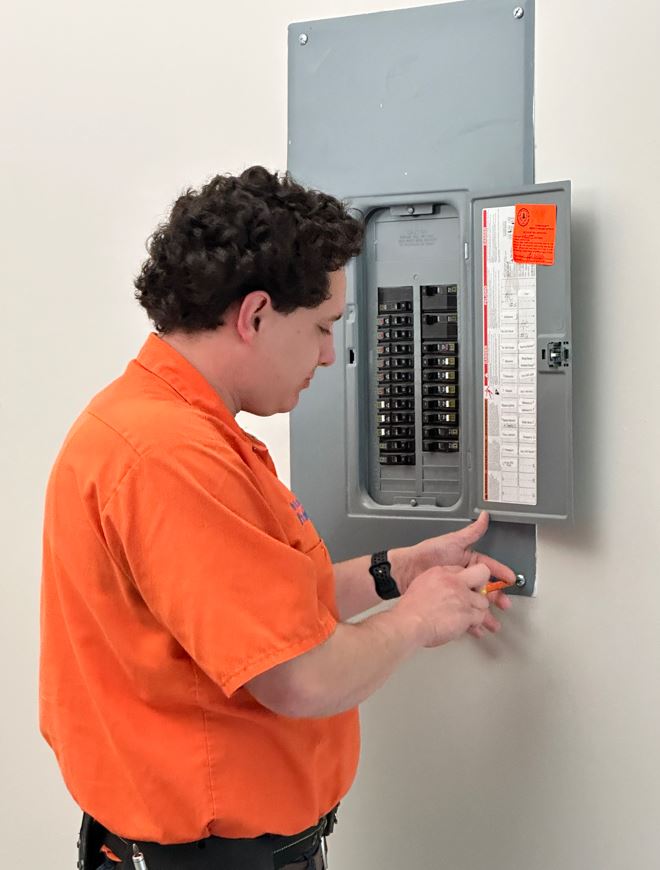
Worried about hidden electrical problems lurking behind your walls? You're not alone. Outdated wiring can be a serious safety hazard, and it can also impact the value of your home.
Upgrading your home's wiring isn't just about safety; it's an investment that can significantly impact its market value. Modern buyers are increasingly savvy and understand the importance of a safe and efficient electrical system. Knowing how wiring upgrades affect your home's value, the costs involved, and how to approach the project can save you money and headaches down the road. Let's explore how to maximize your return on investment while ensuring your home is safe and up to code.
One crucial early step is to get a professional electrical inspection. A qualified electrician can identify potential problems, assess the condition of your existing wiring, and provide a roadmap for necessary upgrades. This upfront investment can prevent costly surprises later and give you a clear picture of the scope of the project.
Understanding the Impact of Wiring Upgrades on Home Value
Outdated or inadequate wiring can negatively impact your home's appeal to potential buyers. Think about it: would you be excited about a house that can't handle your modern appliances or has flickering lights due to overloaded circuits? Upgrading your home wiring not only addresses these issues but also adds value by providing a safer and more functional living space.
A home with modern, up-to-code wiring is a major selling point. It signals to buyers that the property has been well-maintained and that they won't have to worry about expensive electrical repairs in the near future. This peace of mind can translate into a higher selling price and a faster sale. Moreover, energy-efficient wiring and smart home integration options (which require adequate electrical capacity) are increasingly desirable, further boosting your home's value.
How does outdated wiring affect insurance rates?
Insurance companies often consider the age and condition of your home's electrical system when determining premiums. Outdated wiring can increase your risk of electrical fires, leading to higher insurance rates. Upgrading your wiring can potentially lower your insurance costs, saving you money in the long run.
What are the signs of outdated wiring?
Keep an eye out for these telltale signs: flickering lights, frequently tripped circuit breakers, warm or discolored outlets, and a burning smell coming from electrical outlets. If you notice any of these issues, it's essential to call a qualified electrician for an inspection. Ignoring these warning signs can lead to serious safety hazards.
Can I DIY wiring upgrades to save money?
While some minor electrical tasks can be handled by experienced homeowners, it's generally not recommended to DIY significant wiring upgrades. Electrical work can be dangerous, and improper wiring can lead to fires, shocks, and other hazards. It's always best to hire a licensed electrician for any major electrical work. Plus, improper DIY work might not meet local codes, creating issues during a home inspection when you sell.
Key Wiring Upgrades That Boost Home Value
Certain wiring upgrades have a greater impact on home value than others. Focusing on these key areas can give you the best return on your investment.
Panel Upgrade: Upgrading your electrical panel is often the first step in any major wiring upgrade. A modern panel can handle the increased electrical demands of today's appliances and electronics, preventing overloads and ensuring a safe and reliable power supply. Consider a panel with extra capacity for future expansion or smart home integration. Rewiring: If your home has old wiring, such as aluminum wiring or knob-and-tube wiring, rewiring is essential. These older wiring systems are not only outdated but also pose a significant fire risk. Replacing them with modern copper wiring is a worthwhile investment in your home's safety and value. Consider the labor vs materials costs when planning your budget. Grounding: Proper grounding is crucial for preventing electrical shocks and protecting your appliances. Ensure that your home's electrical system is properly grounded, and consider installing ground fault circuit interrupters (GFCIs) in areas where water is present, such as bathrooms and kitchens. Dedicated Circuits: Adding dedicated circuits for high-demand appliances like refrigerators, ovens, and air conditioners can prevent overloads and ensure that these appliances operate efficiently. Dedicated circuits can also reduce the risk of flickering lights and other electrical problems. Smart Home Wiring:As smart home technology becomes increasingly popular, having the proper wiring to support these devices is essential. This includes installing Ethernet cables for reliable internet connectivity, as well as ensuring that your electrical system can handle the power demands of smart home devices.
Estimating Wiring Upgrade Costs: Labor vs. Materials
Understanding the costs involved in wiring upgrades is essential for budgeting and planning your project. The overall cost will depend on several factors, including the size of your home, the scope of the project, and the cost of labor and materials in your area.
The cost of wiring upgrades is typically broken down into two main categories: labor and materials. Labor costs can vary widely depending on the electrician's experience and hourly rate. Material costs include the cost of wiring, electrical panels, outlets, switches, and other electrical components.
Before starting any wiring upgrade project, it's essential to get multiple quotes from qualified electricians. This will allow you to compare prices and choose the electrician who offers the best value. Be sure to ask for a detailed breakdown of the costs involved, including labor and materials. Also, check online wiring cost guides to get a general sense of typical pricing in your area.
How can I save money on wiring upgrades?
There are several ways to save money on wiring upgrades without compromising safety or quality. One option is to do some of the preparatory work yourself, such as removing drywall or clearing access to wiring. However, it's essential to leave all actual electrical work to a qualified electrician. Another way to save money is to compare prices from multiple electricians and choose the one that offers the best value. Also, consider phasing the project – addressing the most critical issues first and tackling less urgent upgrades later.
What permits are required for wiring upgrades?
Most municipalities require permits for significant electrical work, including wiring upgrades. It's essential to check with your local building department to determine the permit requirements in your area. Applying for and obtaining the necessary permits can help ensure that your wiring upgrades are done safely and up to code. A licensed electrician will typically handle the permit process for you.
How do I find a qualified electrician?
Finding a qualified electrician is crucial for ensuring that your wiring upgrades are done safely and correctly. Ask for recommendations from friends, family, or neighbors. You can also check online review sites and the Better Business Bureau. When interviewing electricians, ask about their experience, qualifications, and insurance coverage. Be sure to choose an electrician who is licensed and insured, and who has a proven track record of providing quality workmanship.
Maximizing Your ROI: Energy-Efficient Wiring and Smart Home Integration
Beyond simply upgrading your wiring to meet current code requirements, consider incorporating energy-efficient wiring and smart home integration features to further boost your home's value and appeal.
Energy-efficient wiring can help you save money on your energy bills while also reducing your carbon footprint. This includes using energy-efficient lighting fixtures, installing dimmer switches, and using smart thermostats. Smart home integration features, such as smart lighting, smart security systems, and smart appliances, can also add value to your home by making it more convenient and efficient.
Investing in these features can attract environmentally conscious buyers and those who appreciate the convenience and efficiency of smart home technology. These upgrades can also help you save money on your energy bills, making your home more attractive to potential buyers. Think about features like automated lighting controls, which can dim lights when natural light is plentiful, or smart plugs that cut off power to devices when they're not in use. These simple additions can demonstrate a commitment to energy efficiency.
Ultimately, the key is to think strategically about what upgrades will provide the most value and appeal to potential buyers in your market. Research what features are popular in your area and consult with a real estate agent to get their insights on what buyers are looking for.
Managing electrical wiring projects at home can feel daunting, but with the right knowledge and a qualified electrician, you can make smart, value-added improvements safely. Remember to prioritize safety, plan carefully, and don't be afraid to ask questions. A well-executed wiring upgrade not only enhances your home's safety and functionality but also adds significant value, making it a worthwhile investment for the future.
Posting Komentar untuk "How Wiring Upgrades Affect Home Value"