
How Home Size Influences Wiring Expenses
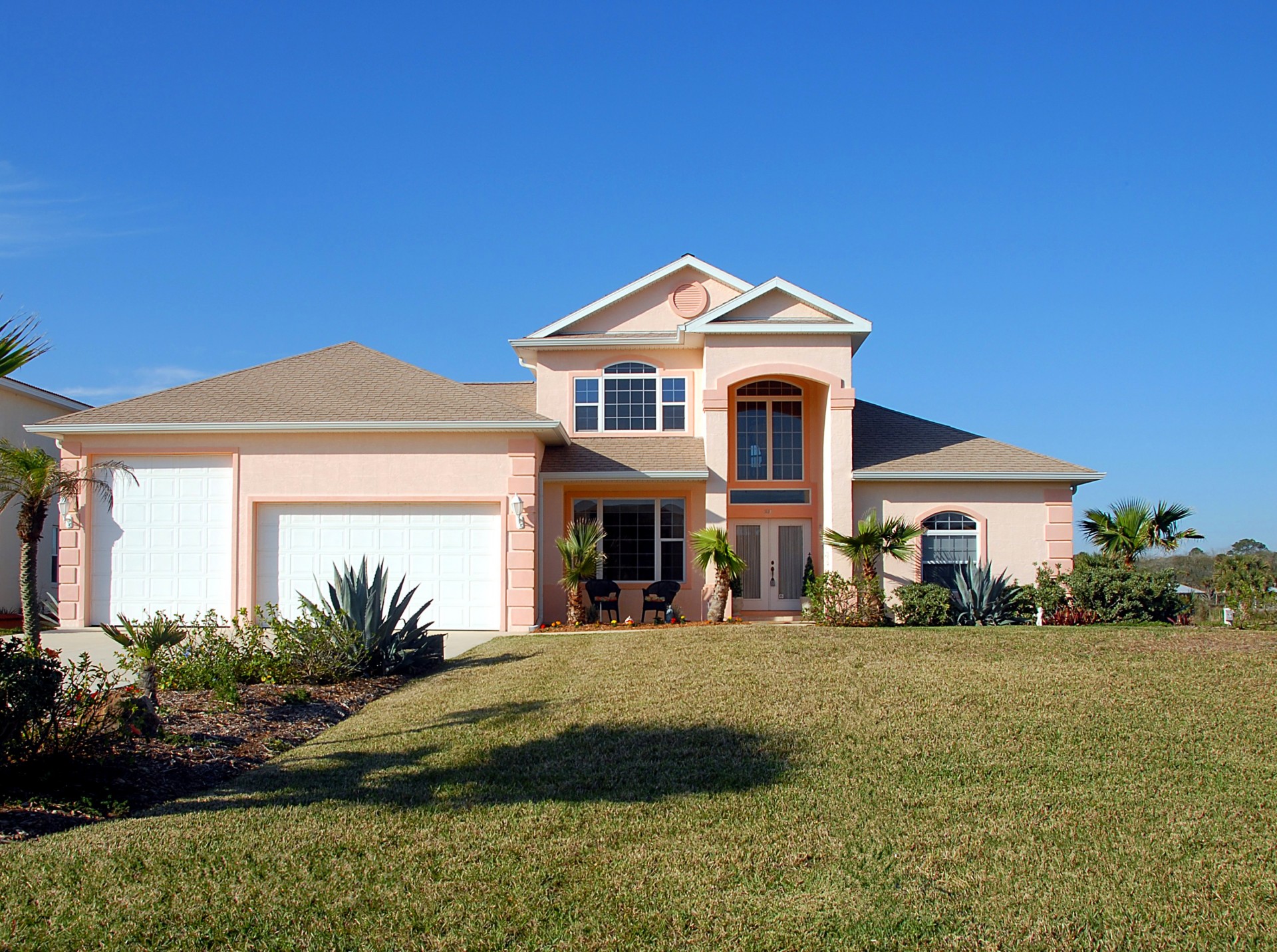
Planning electrical work can feel like navigating a maze, especially when you're trying to understand where your money is going. The size of your home significantly impacts the complexity and cost of your electrical wiring, so let’s break down how to estimate those expenses.
Understanding the relationship between home size and wiring costs empowers you to budget effectively and make informed decisions about your electrical projects. From new construction to renovations, knowing how square footage affects material needs and labor hours is crucial for avoiding surprises and ensuring a safe, code-compliant electrical system.
Before diving into the details, remember this: accurate measurements are your best friend. Take the time to carefully measure each room and consider future expansion plans when discussing your needs with electricians. This proactive approach can save you money and headaches down the road.
How Square Footage Directly Impacts Wiring Costs
The most obvious factor influencing wiring expenses is the size of your home. Larger homes require more wiring, outlets, fixtures, and circuit breakers. This translates directly to increased material costs and longer installation times, ultimately raising the overall price of the project. Think of it like this: a small apartment might need a basic electrical panel and a few circuits, while a multi-story house demands a more robust system to handle the increased load and coverage area.
Beyond simply needing more materials, larger homes often necessitate more complex wiring designs. Different zones might require separate circuits for lighting, appliances, and HVAC systems. Features like home theaters, swimming pools, or detached garages add even more complexity, demanding specialized wiring and potentially requiring upgrades to your main electrical service. These factors can dramatically increase both material and labor costs.
For example, consider the difference between wiring a 1,000-square-foot bungalow and a 3,000-square-foot two-story home. The bungalow might require a standard 100-amp electrical panel and basic wiring throughout. The larger home, however, might need a 200-amp panel, more extensive wiring runs, and dedicated circuits for appliances like a wine fridge or a high-end oven. This translates to significantly higher material costs and a longer, more involved installation process.
People Also Ask: How do material costs affect overall wiring expenses?
Material costs comprise a significant portion of your overall wiring expenses. The price of copper wiring, circuit breakers, outlets, and other electrical components can fluctuate based on market conditions and the quality of the materials used. Opting for higher-quality, code-compliant materials is crucial for safety and longevity, but it will increase your upfront investment. Conversely, attempting to cut corners with cheaper materials can lead to future problems, including electrical failures, fire hazards, and the need for costly repairs. Discuss material options with your electrician to find a balance between cost and quality that meets your needs and budget.
People Also Ask: What about labor costs for wiring a larger home?
Labor costs are another key component of your wiring budget. Electricians typically charge by the hour, and the complexity and size of the project will directly impact the number of hours required. Larger homes require more time for wiring installation, as electricians need to run longer lengths of wire, install more outlets and fixtures, and ensure that all connections are properly made. Also, any obstacles, such as hard-to-reach areas or the need to work around existing structures, can increase labor time. Before you begin the project, get detailed estimates from multiple licensed electricians, outlining their hourly rates and estimated project duration.
Wiring Considerations for Different Room Types
The type of rooms in your home also plays a crucial role in determining wiring expenses. Kitchens and bathrooms, for example, typically require more wiring than bedrooms or living rooms due to the presence of appliances, plumbing, and moisture. Understanding these specific needs can help you anticipate costs and plan accordingly.
Kitchens often require dedicated circuits for major appliances like refrigerators, dishwashers, ovens, and microwaves. They also need multiple outlets along countertops to accommodate small appliances. Furthermore, kitchens might require specialized wiring for under-cabinet lighting or smart home integration. All of this adds to the overall wiring complexity and cost.
Bathrooms have unique electrical requirements due to the presence of water. Ground fault circuit interrupters (GFCIs) are essential for protecting against electrical shock in areas near sinks, showers, and tubs. Bathrooms might also require dedicated circuits for heaters or whirlpool tubs, further increasing wiring demands.
Bedrooms and living rooms generally have simpler wiring needs, typically involving outlets for lighting, electronics, and general use. However, even these rooms can have special requirements, such as wiring for ceiling fans, home theater systems, or smart lighting controls. The key is to assess the specific needs of each room and plan your wiring accordingly.
People Also Ask: How can I reduce wiring costs in specific rooms?
There are several ways to reduce wiring costs in specific rooms without compromising safety or functionality. For example, consider the placement of outlets and fixtures carefully to minimize the amount of wiring needed. Opt for energy-efficient lighting options to reduce the overall electrical load. If you're renovating, explore options for reusing existing wiring where possible, provided it meets current safety standards. Talk to your electrician about these options to find cost-effective solutions that meet your needs. Also, planning is vital. Knowing where furniture will be placed and how the room will be used informs sensible outlet and lighting placements.
People Also Ask: What are the electrical code requirements for different rooms?
Electrical code requirements vary depending on the type of room and the specific application. For example, kitchens and bathrooms have strict requirements for GFCI protection and dedicated circuits. Bedrooms must have arc-fault circuit interrupters (AFCIs) to protect against electrical fires. It's crucial to understand these code requirements to ensure that your wiring meets safety standards. Work with a licensed electrician who is familiar with local codes to ensure that your wiring is compliant and safe. Failing to adhere to code can result in fines, delays, and potentially dangerous electrical hazards.
Energy Efficiency and Future-Proofing Your Wiring
Investing in energy-efficient wiring and planning for future electrical needs can save you money in the long run. While these upgrades might increase your upfront costs, they can significantly reduce your energy consumption and prevent the need for costly rewiring in the future.
Consider using energy-efficient wiring materials, such as low-voltage cables or smart home automation systems that optimize energy use. Install LED lighting fixtures, which consume significantly less energy than traditional incandescent bulbs. Also, consider adding extra circuits to accommodate future appliances or electronic devices. This proactive approach can prevent the need for costly electrical panel upgrades later on.
Another important consideration is future-proofing your wiring for smart home technology. As smart home devices become more prevalent, you might want to install wiring for smart lighting controls, security systems, or home automation hubs. Planning for these technologies in advance can save you money and hassle in the future. Talk to your electrician about incorporating energy-efficient and future-proof wiring solutions into your project.
People Also Ask: How do smart home technologies affect wiring costs?
Smart home technologies can increase wiring costs, but they also offer significant benefits in terms of convenience, energy efficiency, and security. Installing smart lighting controls, security systems, or home automation hubs often requires specialized wiring and programming. However, these systems can also help you optimize your energy consumption and reduce your overall electricity bills. Before installing smart home technology, consult with a qualified electrician to assess your wiring needs and ensure that your system is properly installed and integrated.
People Also Ask: What are the long-term cost benefits of energy-efficient wiring?
The long-term cost benefits of energy-efficient wiring can be substantial. By reducing your energy consumption, you can lower your monthly electricity bills and save money over the life of your home. Energy-efficient wiring can also increase the value of your home and make it more attractive to potential buyers. Furthermore, it can help you reduce your carbon footprint and contribute to a more sustainable future. While energy-efficient wiring might require a higher initial investment, the long-term savings and benefits make it a worthwhile investment.
Estimating wiring expenses involves understanding the interplay between home size, room types, energy efficiency goals, and future needs. Getting professional advice, planning carefully, and choosing quality materials will always pay off in safety and overall value. Approaching your home wiring project with confidence ensures a safe, functional, and cost-effective electrical system for years to come.
Posting Komentar untuk "How Home Size Influences Wiring Expenses"