
Budget-Friendly Wiring Materials
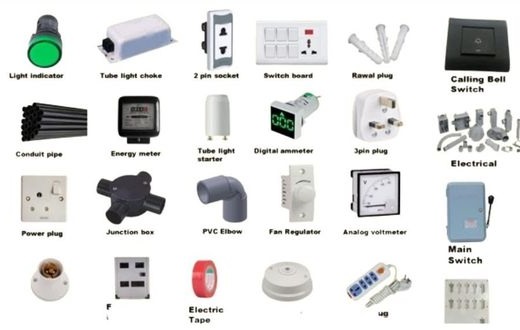
Worried about the cost of your next home wiring project? You're not alone! Many homeowners put off necessary electrical upgrades and repairs due to fears of exorbitant costs.
Understanding the breakdown of wiring installation costs – especially the difference between labor vs materials – is crucial for staying on budget and making informed decisions. Knowing where you can save money without compromising safety is key to any successful electrical endeavor.
One simple yet often overlooked cost-saving measure? Plan your project thoroughly! Accurate measurements and a detailed list of needed materials prevent wasteful over-purchasing and those frustrating last-minute trips back to the hardware store.
Choosing Budget-Friendly Wiring Materials
Selecting the right materials is the cornerstone of any successful, cost-effective wiring project. It’s a balancing act between affordability, safety, and long-term reliability. Let's explore some strategies for finding budget-friendly options without cutting corners on quality.
First, understand that “budget-friendly” doesn’t mean “cheap.” Compromising on the quality of your wiring can lead to significant safety hazards, including fires and electrocution. Therefore, always prioritize materials that meet or exceed local electrical codes and safety standards. Look for certifications like UL (Underwriters Laboratories) listings.
One area where you can often save money is by comparing prices from different suppliers. Don’t just go to the first big-box store you see. Check out smaller, local electrical supply houses. They often have competitive pricing and are more willing to negotiate, especially if you’re buying in bulk. Furthermore, they can provide invaluable expertise, guiding you towards suitable alternatives that meet your budget without sacrificing quality.
Another key consideration is the type of wiring you need. For general home wiring, non-metallic sheathed cable (NM cable), often referred to as Romex, is a common and relatively inexpensive choice. However, for outdoor or underground applications, you'll need more durable options like UF (underground feeder) cable, which will naturally cost more. Carefully assess your specific needs to avoid overspending on unnecessary features.
Finally, consider buying in bulk when possible. Wiring, connectors, and other electrical components are often cheaper per unit when purchased in larger quantities. This is particularly useful if you have a larger project or anticipate needing these materials for future projects. Just be sure to store them properly to prevent damage and ensure they remain usable.
People Also Ask:
What are the cheapest types of electrical wire?
For standard indoor residential wiring, NM-B (Romex) cable is typically the most cost-effective option. The price can vary depending on the gauge (thickness) of the wire. Thinner gauges (higher numbers) are cheaper but can only handle lower amperage loads. Always consult with local electrical codes and your specific needs before choosing a wire gauge. Also, look for standard copper wiring; avoid aluminum wiring, which has safety concerns.
Where can I find discounted wiring supplies?
Besides comparing prices at different suppliers, consider checking online marketplaces and auction sites. You might find discounted materials from overstock or discontinued items. However, be extremely cautious when buying from these sources. Always verify the authenticity and safety certifications of the products before purchasing. It's generally best to stick with reputable suppliers, even if they cost slightly more, for peace of mind and safety.
Are there any DIY wiring tips to save money?
While DIY wiring can save money on labor costs, it's crucial to have the necessary skills, knowledge, and permits. Improper wiring can be incredibly dangerous. If you're comfortable and competent with basic electrical tasks, you can save money by preparing the work area (e.g., running conduit, drilling holes) before hiring a licensed electrician. This reduces the amount of time they need to spend on the job, thus lowering the labor cost. Additionally, accurately measuring and purchasing only the required amount of materials minimizes waste and unnecessary expenses. Remember to prioritize safety above all else!
Optimizing Your Wiring Layout for Cost Savings
The layout of your wiring system directly impacts the amount of materials required and the complexity of the installation. Thoughtful planning can significantly reduce costs. Simple, direct runs of wiring are always more economical than complex, circuitous routes.
Start by carefully mapping out your electrical needs. Identify the location of all outlets, switches, and appliances. Then, design your wiring routes to be as straight and efficient as possible. Avoid unnecessary bends and long runs, as these require more wire and can increase the likelihood of voltage drop.
Consider grouping electrical loads logically. For example, combine lighting fixtures on a single circuit and high-power appliances on separate, dedicated circuits. This minimizes the number of circuits required and can reduce the overall wiring needed. Also, think about future expansion. While you don't want to overspend on unnecessary wiring, it's wise to plan for potential future needs, such as adding an outlet or a new appliance. Running extra conduit or leaving some spare wiring in accessible locations can save you significant time and money down the road.
Another important aspect of layout optimization is considering the placement of your electrical panel. The closer your panel is to the areas with the highest electrical demand, the shorter the wire runs will be, resulting in cost savings. If possible, locate the panel in a central location within your home.
Finally, remember that efficient wiring layouts contribute to energy-efficient wiring. Minimizing voltage drop ensures that your appliances receive the proper voltage, reducing energy waste and lowering your electricity bills.
People Also Ask:
How can I reduce the amount of wire needed in my home?
Efficient planning is key! Measure distances accurately and avoid unnecessary detours in your wiring runs. Think about placing outlets and switches strategically to minimize the distance between them. Also, consider using multi-wire branch circuits where appropriate. These circuits share a neutral wire between two hots, reducing the total number of wires required.Note: Multi-wire branch circuits can be dangerous if not wired correctly. Consult with a qualified electrician before implementing them.
Does using a smaller gauge wire save money?
While smaller gauge wire is cheaper, it's crucial to use the correct gauge for the intended application. Using wire that is too thin for the load can cause overheating, voltage drop, and even fires. Always consult local electrical codes and follow the manufacturer's recommendations for wire sizing. It's better to err on the side of caution and use a slightly larger gauge than necessary, as the cost difference is usually minimal compared to the potential risks.
How does the placement of my electrical panel affect wiring costs?
The closer your electrical panel is to the areas with the highest electrical demand, the shorter the wire runs will be. Shorter wire runs mean less wire needed, resulting in cost savings. If possible, choose a central location for your panel to minimize the overall wiring required throughout your home.
Understanding Labor Costs vs. Material Costs
A significant portion of your wiring project budget will be allocated to labor costs. Understanding how these costs are calculated and how they relate to material costs is crucial for effective budgeting.
Electricians typically charge by the hour or offer a fixed price for a specific job. Hourly rates vary depending on location, experience, and the complexity of the work. Fixed prices are usually based on an estimate of the time and materials required. When getting quotes from different electricians, be sure to ask for a detailed breakdown of the labor and material costs. This will allow you to compare prices apples-to-apples and identify areas where you might be able to save money.
One way to reduce labor costs is to do some of the preparatory work yourself, such as running conduit or drilling holes (if you are comfortable and competent in doing so). However, be sure to coordinate with your electrician beforehand to ensure that your work meets their standards and doesn't create any safety hazards. Remember that you will still need a professional electrician to make the final connections and ensure that the wiring is safe and code-compliant.
Another important factor to consider is the electrician's experience and qualifications. While it might be tempting to hire the cheapest electrician you can find, it's often worth paying more for a qualified and experienced professional. An experienced electrician will be able to complete the job more efficiently and effectively, reducing the overall labor costs. They will also be more likely to identify and address potential problems before they become major issues.
People Also Ask:
What is a fair hourly rate for an electrician?
Electrician hourly rates vary widely depending on location, experience, and demand. Research the average rates in your area by contacting several local electricians and asking for quotes. Be sure to factor in the electrician's experience, qualifications, and insurance coverage when comparing prices.
How can I get the best price on electrical labor?
Obtain multiple quotes from different licensed electricians, asking for a detailed breakdown of labor and material costs. Check online reviews and ask for references to ensure you're hiring a reputable and qualified professional. Be clear about the scope of the work and provide accurate information to avoid unexpected costs. Prepare the work area to minimize the electrician's time on-site.
Is it worth it to do some of the electrical work myself?
While DIY electrical work can save money on labor costs, it's crucial to have the necessary skills, knowledge, and permits. Improper wiring can be incredibly dangerous and can void your home insurance. If you're not comfortable and competent with basic electrical tasks, it's best to leave the work to a licensed electrician. Focus on preparatory tasks like running conduit or drilling holes to minimize their time on the job.
Long-Term Cost Savings with Energy-Efficient Wiring
While your initial focus might be on minimizing upfront wiring costs, it's also important to consider the long-term cost savings that can be achieved through energy-efficient wiring practices. Energy-efficient wiring reduces energy waste, lowers your electricity bills, and contributes to a more sustainable home.
One key aspect of energy-efficient wiring is minimizing voltage drop. Voltage drop occurs when the voltage at an outlet or appliance is lower than the voltage at the electrical panel. This can happen when wiring runs are too long or when the wire gauge is too small for the load. When appliances don't receive the proper voltage, they have to work harder to perform their tasks, consuming more energy and shortening their lifespan. Using appropriately sized wiring and minimizing long runs can significantly reduce voltage drop and improve energy efficiency.
Another important consideration is the use of energy-efficient lighting controls. Dimmers, occupancy sensors, and timers can help to reduce energy waste by turning off lights when they're not needed or dimming them to a lower level when appropriate. These controls can be easily integrated into your home wiring system and can provide significant energy savings over time.
Finally, consider using smart home technology to monitor and control your energy consumption. Smart thermostats, smart outlets, and energy monitoring systems can provide valuable insights into your energy usage and allow you to identify areas where you can save money. These technologies can be easily integrated into your home wiring system and can be controlled remotely through your smartphone or other devices.
People Also Ask:
How does voltage drop affect my energy bills?
Voltage drop reduces the efficiency of your appliances, causing them to consume more energy to perform their tasks. This leads to higher electricity bills and can also shorten the lifespan of your appliances.
What are some energy-efficient lighting control options?
Dimmers allow you to adjust the brightness of your lights, reducing energy consumption when full brightness isn't needed. Occupancy sensors automatically turn lights on and off based on motion detection, ensuring that lights are only on when someone is present. Timers can be used to schedule lights to turn on and off at specific times, reducing energy waste during periods when lights are not needed.
How can smart home technology help me save on energy costs?
Smart thermostats automatically adjust the temperature based on your schedule and preferences, reducing energy waste when you're not home. Smart outlets allow you to remotely control appliances and monitor their energy consumption, allowing you to identify and eliminate energy waste. Energy monitoring systems provide real-time data on your energy usage, giving you valuable insights into your energy consumption patterns.
Managing electrical wiring projects on a budget requires careful planning, smart material choices, and a clear understanding of labor vs materials. By prioritizing safety, comparing prices, and optimizing your wiring layout, you can achieve significant cost savings without compromising the quality or reliability of your electrical system. Remember, a well-planned and executed wiring project can not only save you money in the short term but also improve your home's energy efficiency and safety for years to come.
Posting Komentar untuk "Budget-Friendly Wiring Materials"