
Understanding Copper vs Aluminum Wiring Costs
Electrical wiring can feel like a hidden cost in any home project, sparking stress about budgets and safety. Are you weighing copper versus aluminum for your home’s wiring and wondering which option will deliver the best balance of cost and reliability?
Understanding the price differences between copper and aluminum wiring is essential for any homeowner planning a renovation, new construction, or even just upgrading their electrical system. Making the right choice can save you money upfront, avoid potential safety hazards down the road, and ensure your home’s electrical system meets your needs for years to come. Plus, knowing where your money is going – whether it's labor vs materials – empowers you to make informed decisions.
One practical tip to keep in mind: always get multiple quotes from licensed electricians. Prices can vary significantly based on location, the complexity of the job, and the electrician's experience. Don't be afraid to ask for a detailed breakdown of the costs involved.
Copper vs. Aluminum Wiring: A Cost Comparison
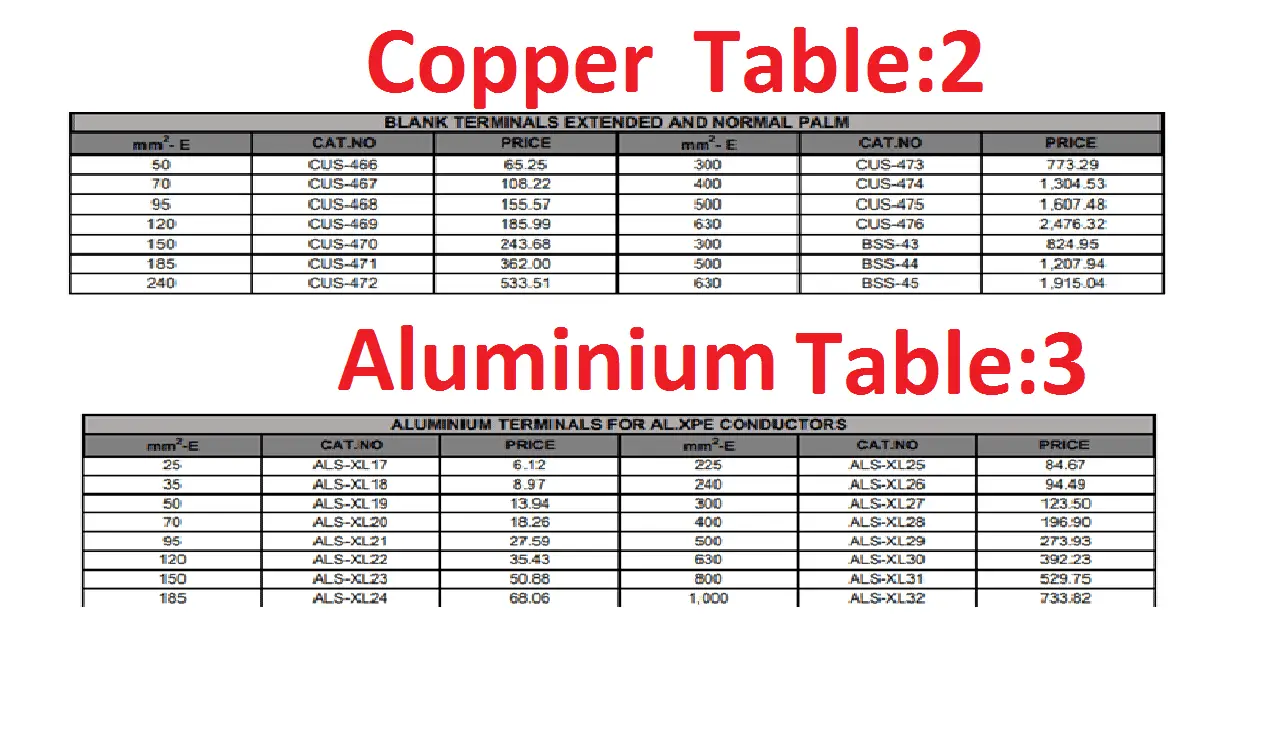
When it comes to home wiring, copper and aluminum have been the main contenders for decades. While copper has long been considered the gold standard, aluminum emerged as a more budget-friendly alternative, especially during periods of high copper prices. Let's break down the factors that influence the cost of each: Material Costs: Copper is generally more expensive than aluminum per pound. This is because copper is a more conductive metal and is used in smaller gauges for the same amperage. Aluminum needs larger sizes to carry the same load, but even with needing more material, the price is still usually less. Installation Costs: Installation costs involve both labor and materials beyond the wire itself. While aluminum wire might be cheaper, it often requires special connectors and anti-oxidant compounds to prevent corrosion at connection points. These additional materials can add to the overall cost. Labor costs can also vary depending on the complexity of the wiring project and local labor rates. Copper is sometimes considered easier and faster to work with, leading to lower labor costs. Long-Term Costs:Consider the long-term costs associated with each type of wiring. Copper is known for its durability and longevity, requiring less maintenance over time. Aluminum, on the other hand, is more susceptible to corrosion and may require periodic inspections and maintenance to ensure safe and reliable operation. This can add to the overall cost of ownership over the lifespan of your home's electrical system.
Ultimately, the best choice depends on your specific needs and budget.
Is aluminum wiring cheaper than copper?
Yes, aluminum wiring is typically cheaper than copper wiring in terms of the raw material cost. However, remember to factor in the additional costs associated with special connectors, anti-oxidant compounds, and potential long-term maintenance.
Does copper wiring increase home value?
While it's hard to put an exact dollar figure on it, many homeowners and potential buyers view copper wiring as a premium feature. Homes with copper wiring are often seen as more desirable and potentially command a slightly higher price compared to homes with aluminum wiring due to its perceived reliability and safety.
What are the drawbacks of aluminum wiring?
The main drawbacks of aluminum wiring are its susceptibility to corrosion, higher expansion and contraction rates compared to copper, and potential for loose connections over time. These factors can increase the risk of overheating and electrical fires if the wiring is not properly installed and maintained.
Factors Influencing Wiring Installation Costs
Several factors can significantly impact the overall cost of wiring installation, regardless of whether you choose copper or aluminum. Being aware of these factors will help you get accurate quotes and avoid unexpected expenses.
Size of the Project: The size and complexity of the wiring project is a major cost driver. Wiring a small addition will obviously be less expensive than wiring an entire new house. The number of circuits needed, the length of wire runs, and the accessibility of wiring locations all contribute to the overall cost. Labor Costs: Labor costs can vary significantly based on location, the electrician's experience, and the prevailing wage rates. Union electricians may charge higher rates than non-union electricians. Getting multiple quotes from licensed electricians is crucial to ensure you're getting a fair price. A detailed cost breakdown is also an ideal approach to determine how much you are paying per hour. Permits and Inspections: Electrical work typically requires permits and inspections to ensure compliance with local building codes. The cost of permits can vary depending on your location and the scope of the project. Inspections are essential to verify that the wiring is installed correctly and safely. Be sure to factor these costs into your budget. Accessibility: Hard-to-reach areas, such as attics, crawl spaces, or walls that require extensive demolition, can increase labor costs. Electrical work in older homes may also be more challenging due to outdated wiring practices or the presence of asbestos. Material Quality:While it might be tempting to save money by using cheaper materials, this can be a costly mistake in the long run. Inferior-quality wire, connectors, or electrical boxes can lead to premature failure, increased maintenance costs, and even safety hazards. Always insist on using high-quality materials that meet or exceed industry standards.
How do I find a reliable electrician?
Finding a reliable electrician is essential for a safe and successful wiring project. Start by asking for recommendations from friends, family, or neighbors. Check online review sites and look for electricians with positive ratings and reviews. Verify that the electrician is licensed and insured. Don't be afraid to ask for references from past clients. Finally, get multiple quotes and compare them carefully, paying attention to the details of the proposed work and the materials to be used.
What are common hidden costs in wiring projects?
Hidden costs can sneak up on you if you're not careful. Some common hidden costs include: Permit fees:These can vary widely depending on your location and the scope of the project.
Inspection fees: These are required to ensure compliance with local building codes.
Demolition and repair costs: If walls or ceilings need to be opened up to access wiring, you'll need to factor in the cost of demolition and subsequent repairs.
Material upgrades: The electrician may discover that existing wiring needs to be upgraded to meet current code requirements, adding to the overall cost.
Unexpected problems: Unexpected problems, such as hidden asbestos or outdated wiring practices, can also add to the cost of the project.
What is the typical hourly rate for an electrician?
The typical hourly rate for an electrician can vary widely depending on location, experience, and union affiliation. In general, you can expect to pay anywhere from \$50 to \$150 per hour. Some electricians may charge a flat rate for smaller jobs. Always get a clear estimate of the hourly rate or flat fee before hiring an electrician.
DIY Wiring Tips and Safety Precautions
While some minor electrical repairs can be safely handled by homeowners with basic knowledge and skills, it's generally best to leave major wiring projects to licensed electricians. Electrical work can be dangerous, and improper wiring can lead to electrical shocks, fires, and other hazards. If you're considering any DIY wiring, keep these safety precautions in mind: Always disconnect the power: Before working on any electrical circuit, always disconnect the power at the breaker box. Use a voltage tester to verify that the circuit is dead before touching any wires. Wear safety gear: Wear safety glasses and insulated gloves to protect yourself from electrical shocks. Use the right tools: Use insulated tools designed for electrical work. Follow instructions carefully: Read and follow all instructions carefully. If you're unsure about something, consult a licensed electrician. Get a permit: Check with your local building department to see if a permit is required for the electrical work you're planning to do. Have your work inspected: Once you've completed the electrical work, have it inspected by a qualified electrician to ensure that it meets code requirements.
If you're comfortable with basic electrical tasks, here are a few DIY wiring tips to keep in mind: Use wire connectors: Always use wire connectors to join wires together. Never use electrical tape alone. Match wire gauges: Use the correct wire gauge for the circuit you're working on. Consult a wiring chart to determine the appropriate gauge for the amperage and voltage. Label wires: Label all wires clearly to avoid confusion. Keep wires organized: Keep wires organized and neatly routed. Avoid running wires across doorways or in areas where they could be damaged.
Ultimately, safety should always be your top priority when working with electricity. If you're not comfortable with any aspect of the project, hire a licensed electrician.
Energy-Efficient Wiring Solutions
Beyond the choice of copper or aluminum, there are several other ways to improve the energy efficiency of your home's wiring system. Here are a few energy-efficient wiring tips to consider: Use LED lighting: LED lights are far more energy-efficient than traditional incandescent or fluorescent lights. They use up to 75% less energy and last much longer. Install dimmer switches: Dimmer switches allow you to adjust the brightness of your lights, saving energy and extending the life of your bulbs. Use smart plugs: Smart plugs allow you to control appliances and electronics remotely, even when you're not home. This can help you save energy by turning off devices that are not in use. Install occupancy sensors: Occupancy sensors automatically turn lights on when someone enters a room and off when they leave. This can be a great way to save energy in frequently used areas such as bathrooms or hallways. Upgrade to a smart thermostat: A smart thermostat can learn your heating and cooling preferences and adjust the temperature automatically to save energy. Consider solar panels: Solar panels can generate clean, renewable electricity for your home, reducing your reliance on the grid and saving you money on your electricity bill.
Implementing these energy-efficient wiring solutions can not only save you money on your energy bill but also reduce your carbon footprint. A qualified electrician can help you assess your home's energy needs and recommend the best energy-efficient upgrades for your situation.
Choosing the right wiring and managing your electrical projects can seem daunting, but remember, you're not alone. With careful planning, a clear understanding of the costs involved, and the help of qualified professionals, you can ensure that your home's electrical system is safe, reliable, and meets your needs for years to come. Don't hesitate to ask questions, get multiple opinions, and prioritize safety above all else.
Posting Komentar untuk "Understanding Copper vs Aluminum Wiring Costs"