
Typical Wiring Rates for Small Apartments
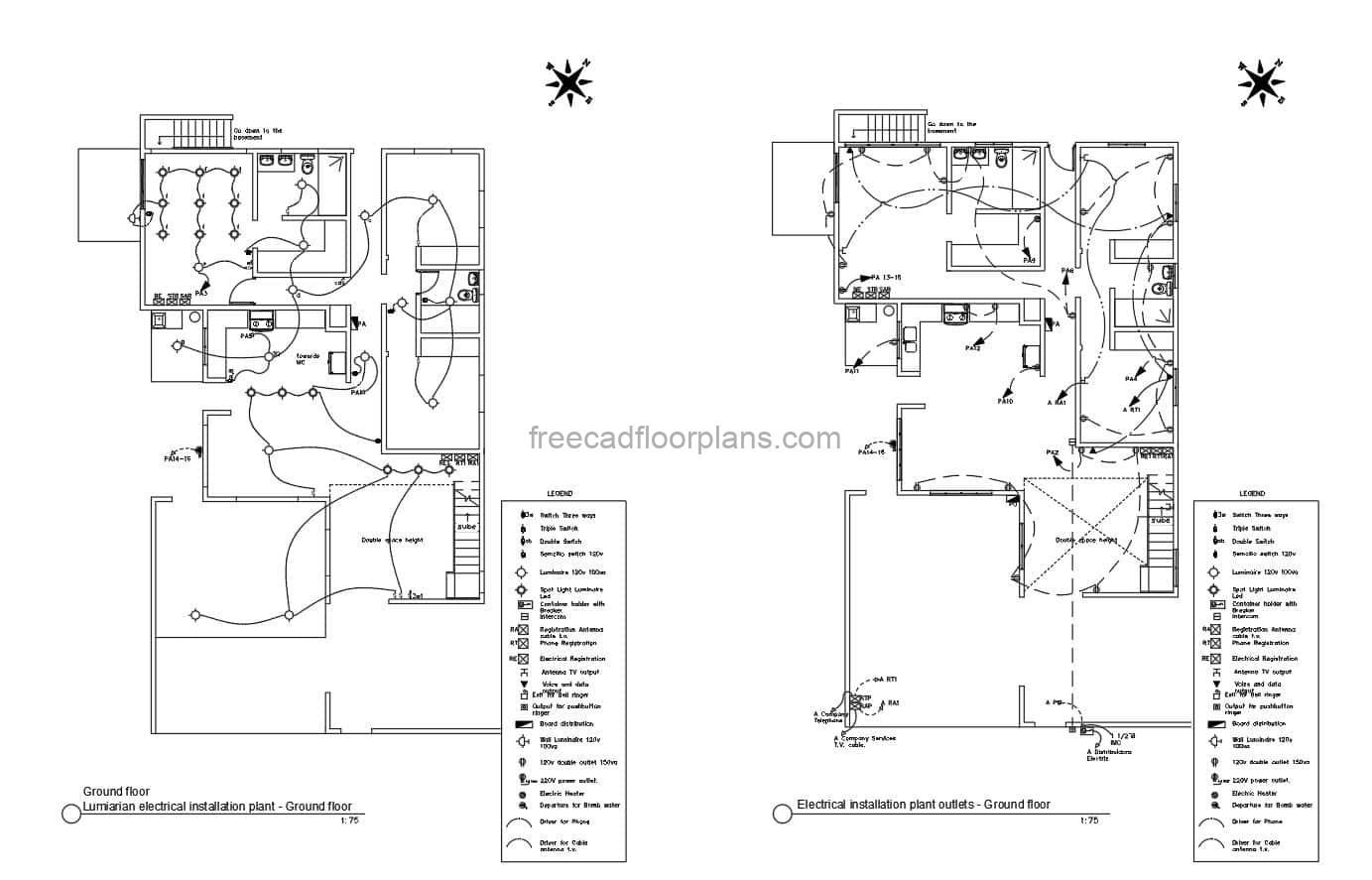
Dealing with electrical wiring can feel overwhelming, especially when you're trying to budget for a small apartment. Getting the wiring right is not just about convenience; it’s about safety and peace of mind. Nobody wants to live in a place with flickering lights or, worse, the risk of electrical fires.
Understanding the typical wiring rates for small apartments is crucial for effective budgeting and ensuring the work is done correctly. This knowledge empowers you to make informed decisions, avoid being overcharged, and ensure your apartment's electrical system meets safety standards. Knowing what to expect financially allows you to prioritize quality and safety without breaking the bank.
Before diving into the specifics, remember this: always prioritize licensed electricians. While some DIY projects might seem tempting, electrical work is best left to the professionals. They have the training and experience to handle wiring safely and in compliance with local codes.
Typical Wiring Costs for Small Apartments
Wiring a small apartment involves several factors that influence the overall cost. These include the size of the apartment, the complexity of the wiring project, the cost of materials, and the electrician's labor rates. Generally, you can expect to pay anywhere from \$4 to \$10 per square foot for a complete rewiring job. This range accounts for variations in local labor costs and the type of wiring needed.
For instance, a 500-square-foot apartment might cost between \$2,000 and \$5,000 to rewire completely. Keep in mind that this is just an estimate. More complex projects, such as those requiring new circuit installation or dealing with old, outdated wiring, can push the price higher. Obtaining multiple quotes from qualified electricians is essential to get a more accurate assessment for your specific situation. They can evaluate the existing wiring, identify any potential issues, and provide a detailed breakdown of the costs involved.
It's also worth considering the long-term benefits of energy-efficient wiring. While it might involve a slightly higher upfront cost, energy-efficient solutions can lead to significant savings on your electricity bills over time. This includes using LED lighting, smart thermostats, and properly insulated wiring to minimize energy loss.
Factors Affecting Wiring Costs
Several factors can influence the total cost of wiring a small apartment. Understanding these factors can help you better anticipate expenses and make informed decisions.
Size of the Apartment: Larger apartments naturally require more wiring and labor, increasing the overall cost. Even within the "small apartment" category, variations in square footage can impact the final price.
Complexity of the Project: Simple wiring upgrades, like replacing outlets or light fixtures, are less expensive than complete rewiring jobs. Projects that involve running new circuits, relocating outlets, or dealing with outdated wiring systems will increase the cost.
Cost of Materials: The price of wiring, outlets, circuit breakers, and other electrical components can fluctuate. Opting for higher-quality materials might increase the upfront cost but can provide better durability and safety in the long run. Consider energy-efficient options to save on future electricity bills.
Electrician's Labor Rates: Labor costs vary depending on the electrician's experience, location, and the complexity of the job. Getting multiple quotes from different electricians allows you to compare rates and find the best value for your money.
Permits and Inspections: Electrical work often requires permits and inspections to ensure compliance with local codes. These fees can add to the overall cost, but they are essential for safety and legal compliance.
Accessibility: How easy it is to access the wiring locations can affect the labor time. Difficult-to-reach areas or cramped spaces might require more time and effort, increasing the cost.
Labor vs Materials: Breaking Down the Costs
When budgeting for electrical wiring, it's helpful to understand the breakdown between labor costs and the cost of materials. Generally, labor accounts for about 40% to 60% of the total project cost, while materials make up the remaining 40% to 60%. This split can vary depending on the complexity of the job and the electrician's pricing structure.
For example, a complete rewiring project might have a higher labor percentage due to the extensive work involved. On the other hand, a simple outlet replacement might have a higher material percentage since the labor time is minimal.
To get a clear understanding of the costs involved, ask your electrician for a detailed quote that itemizes labor and material expenses. This allows you to see where your money is going and identify any potential areas for cost savings. It also provides transparency and ensures that you are not being overcharged for any specific component of the project.
Don't hesitate to ask questions about the materials being used and why certain choices are being made. A reputable electrician will be happy to explain the rationale behind their recommendations and help you make informed decisions about your wiring project.
DIY Wiring Tips and When to Call a Professional
While some minor electrical tasks can be tackled as DIY projects, it's crucial to know your limits and when to call a professional electrician. Simple tasks like replacing a lightbulb or a faulty switch might be within your capabilities if you have the proper knowledge and tools. However, any work involving wiring, circuit breakers, or electrical panels should always be left to a licensed electrician.
Attempting complex electrical work without the necessary training and experience can be dangerous and even life-threatening. Electrical shocks, fires, and code violations are all potential risks associated with DIY wiring gone wrong. Moreover, improper wiring can damage your appliances and electrical system, leading to costly repairs down the road.
Here are a few situations where you should always call a professional electrician: Rewiring an entire apartment:This involves working with the main electrical panel and requires extensive knowledge of wiring codes and safety procedures.
Installing new circuits: Adding new circuits to your electrical system requires careful planning and execution to ensure proper load balancing and safety.
Troubleshooting electrical problems: Diagnosing and repairing electrical issues like flickering lights, tripped breakers, or faulty outlets can be complex and requires specialized tools and expertise.
Working with high-voltage systems: Any work involving high-voltage systems should only be performed by a qualified electrician.
Even if you are comfortable with some DIY tasks, it's always a good idea to consult with an electrician before starting any electrical project. They can provide guidance and ensure that your work is safe and compliant with local codes.
People Also Ask (FAQs)
How can I save money on apartment wiring costs?
There are several ways to potentially save money on apartment wiring costs. First, get multiple quotes from different electricians to compare rates. Also, consider phasing the project if possible, addressing the most critical issues first. You might also be able to save by providing clear access to the work areas. Finally, explore energy-efficient options that can reduce your electricity bills long-term.
What are the signs that my apartment needs rewiring?
Several signs indicate that your apartment might need rewiring. These include frequent tripped breakers, flickering lights, outlets that are hot to the touch, a burning smell coming from outlets or switches, and outdated wiring (especially knob-and-tube wiring). If you notice any of these signs, it's essential to have your electrical system inspected by a qualified electrician.
How long does it take to rewire a small apartment?
The time it takes to rewire a small apartment depends on the size of the apartment, the complexity of the project, and the electrician's availability. Generally, it can take anywhere from a few days to a week to complete a full rewiring job. Your electrician should be able to provide a more accurate estimate based on your specific situation.
Finding a Reputable Electrician
Finding a reputable and qualified electrician is crucial for ensuring that your wiring project is done safely and correctly. Start by asking for recommendations from friends, family, or neighbors who have had positive experiences with local electricians. Online review sites can also provide valuable insights into the reputation and quality of different electricians in your area.
When contacting potential electricians, be sure to ask about their experience, qualifications, and insurance coverage. A licensed electrician should have the necessary training and certifications to perform electrical work in your area. They should also carry liability insurance to protect you in case of accidents or damages during the project.
Before hiring an electrician, ask for a written estimate that includes a detailed breakdown of the costs involved. This should include labor, materials, permits, and any other applicable fees. Be wary of electricians who offer extremely low prices, as this could be a sign of substandard work or hidden costs.
Finally, trust your instincts. If you feel uncomfortable with an electrician or have any doubts about their qualifications, it's best to move on and find someone else. Choosing the right electrician can make all the difference in ensuring a safe and successful wiring project.
Remember, investing in professional electrical work is an investment in your safety and the long-term value of your apartment. It's always better to err on the side of caution and hire a qualified electrician than to risk your safety and property with DIY attempts.
Electrical wiring projects might seem daunting, but with proper knowledge and the right professionals, you can confidently ensure your home is safe and up to code. Focus on finding reliable electricians, understanding the costs involved, and prioritizing safety above all else. With a little planning, you can create a comfortable and secure living space for yourself and your family.
Posting Komentar untuk "Typical Wiring Rates for Small Apartments"