
Electrical Installation Costs for Renovation Projects
Is your renovation dream turning into a budget nightmare, especially when you start thinking about electrical work? You're not alone. Many homeowners find themselves scratching their heads, wondering how much those new outlets, updated lighting, or that essential panel upgrade will truly set them back.
Understanding the costs associated with electrical installations during a renovation is crucial, not just for budgeting, but also for ensuring the safety and efficiency of your home's electrical system. Ignoring this aspect can lead to costly surprises, code violations, and, most importantly, safety hazards down the line. It’s better to be prepared and informed than caught off guard.
One practical tip to start with? Get multiple quotes from licensed and insured electricians. Don't just settle for the first estimate you receive. Comparing quotes will give you a clearer picture of the average cost in your area and help you identify any suspiciously low bids that might indicate subpar work or hidden fees.
Understanding Electrical Installation Costs for Renovation Projects
Renovating a home is an exciting endeavor, but navigating the electrical aspects can quickly become overwhelming. From simple outlet replacements to complete rewiring projects, understanding the factors that influence electrical installation costs is key to staying on budget and ensuring a safe, functional home. This guide breaks down the key elements involved, offering a clear picture of what to expect and how to plan effectively.
Key Factors Influencing Electrical Installation Costs
Several factors contribute to the overall cost of electrical work during a renovation. These include the scope of the project, the complexity of the wiring, local labor rates, and the price of materials. Let's delve into each of these: Scope of the Project:A small project, like adding a few new outlets, will naturally cost less than a large-scale endeavor, such as rewiring an entire kitchen or adding a new circuit panel. The larger the project, the more materials and labor hours are required.
Complexity of Wiring: The existing wiring in your home can significantly impact the cost. If your home has outdated or faulty wiring, it may need to be replaced before any new electrical work can be done. This adds to the overall cost, but it's a crucial step for safety. The complexity of the new wiring design also plays a role. Running wires through difficult-to-access areas or installing specialized wiring for features like smart home systems will increase costs.
Labor Rates: Electrician labor rates vary depending on location and experience. Urban areas typically have higher labor costs than rural areas. It's essential to hire a licensed and insured electrician to ensure the work is done safely and up to code. While it may be tempting to save money by hiring an unlicensed contractor, the risks of shoddy workmanship and potential code violations far outweigh the savings.
Materials: The cost of electrical materials, such as wiring, outlets, switches, circuit breakers, and lighting fixtures, can also fluctuate. Choosing higher-quality materials may increase the upfront cost, but it can also lead to greater longevity and fewer maintenance issues down the road. Consider energy-efficient wiring options and LED lighting to potentially save on energy bills in the long run. The "labor vs materials" balance is an important budget consideration.
Permits and Inspections: Electrical work often requires permits and inspections to ensure compliance with local building codes. These costs should be factored into your overall budget. A reputable electrician will handle the permit process for you.
Estimating the Costs: A Breakdown
To give you a better idea of what to expect, here's a breakdown of common electrical renovation projects and their estimated costs. Keep in mind that these are just averages, and your actual costs may vary depending on the factors mentioned above.
Adding a New Outlet: \$75 - \$200 per outlet. This includes the cost of the outlet, wiring, and labor. The cost can increase if new wiring needs to be run from the circuit panel.
Installing a New Light Fixture: \$150 - \$500 per fixture. The cost depends on the type of fixture, the complexity of the installation, and whether any additional wiring is required.
Replacing a Light Switch: \$50 - \$150 per switch. A simple switch replacement is relatively inexpensive, but the cost can increase if you're upgrading to a dimmer switch or smart switch.
Installing a Ceiling Fan: \$150 - \$500. The cost includes the fan itself, the wiring, and the labor to install it.
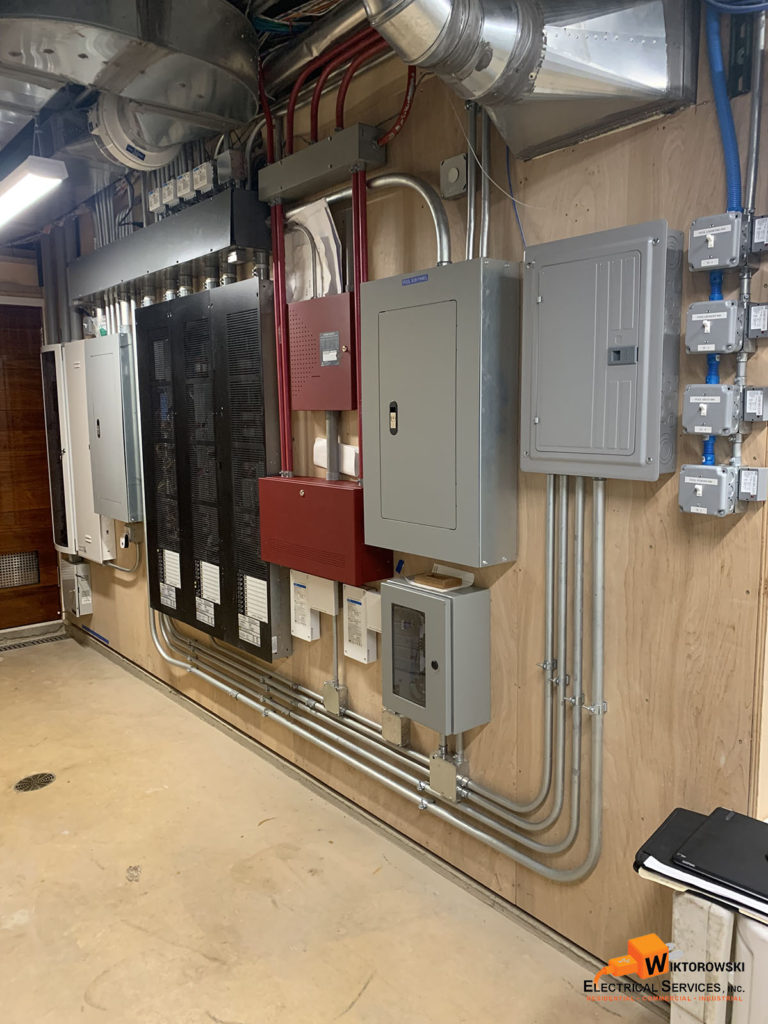
Upgrading a Circuit Panel: \$800 - \$2,500. This is a more significant project that involves replacing your existing circuit panel with a newer, more powerful one. It's often necessary when adding new circuits or appliances to your home.
Rewiring a Room: \$500 - \$2,000 per room. This involves replacing all the wiring in a room. The cost depends on the size of the room and the complexity of the wiring.
Whole-House Rewiring: \$3,500 - \$10,000 or more. This is the most extensive type of electrical renovation and involves replacing all the wiring in your home. It's typically necessary for older homes with outdated or faulty wiring.
People Also Ask (FAQs)
How can I save money on electrical renovation projects?
There are several ways to save money on electrical renovations without compromising safety: Plan carefully: Thorough planning can prevent unexpected issues and costly changes during the project. Get multiple quotes: Compare quotes from different electricians to find the best price. Consider DIY for simple tasks: If you're comfortable and knowledgeable, you can tackle simple tasks like replacing light switches or outlets yourself (but always prioritize safety and follow local codes). Be honest about your skill level; improper DIY wiring can be dangerous. Bundle projects: Combining multiple electrical projects into one can sometimes result in a lower overall cost. Choose energy-efficient options:Investing in energy-efficient wiring and lighting can save you money on your energy bills in the long run.
Is it safe to do electrical work myself?
While some simple electrical tasks, like replacing a light switch, can be done safely by homeowners with the right knowledge and precautions, it's generally recommended to hire a licensed electrician for any significant electrical work. Electrical work can be dangerous, and improper wiring can lead to fires, electrocution, and other hazards. Moreover, many jurisdictions require electrical work to be performed by a licensed professional. Always prioritize safety and consult with a qualified electrician if you're unsure about any aspect of the project.
How do I find a qualified electrician?
Finding a qualified electrician is crucial for ensuring a safe and successful renovation project. Here are some tips: Ask for recommendations: Ask friends, family, and neighbors for recommendations. Check online reviews: Read online reviews on sites like Yelp, Google, and Angie's List. Verify licensing and insurance: Ensure the electrician is licensed and insured in your state or local jurisdiction. Get multiple quotes: Compare quotes from different electricians and ask for references. Check their experience: Inquire about the electrician's experience with similar renovation projects. Trust your gut: Choose an electrician you feel comfortable with and who communicates clearly.
DIY Wiring Tips: Proceed with Caution
While we generally advise against DIY electrical work for safety reasons, there are some very basic tasks youmightconsider if you have a strong understanding of electrical systems and safety protocols. These might include: Replacing a lightbulb: Obvious, but always worth mentioning. Make sure the power is off! Replacing a light switch or outlet: Only if you are comfortable and confident. Turn off the power at the breaker, and carefully follow instructions. Take pictures of the wiring before disconnecting anything so you can easily reconnect it the same way. Installing a new light fixture (simple replacement):If you are simply replacing an existing fixture with a similar one and the wiring is already in place, thismightbe something you can tackle. Again, turn off the power and follow instructions carefully.
Important Disclaimer: Even for these simple tasks, if you have any doubts or hesitations, it's always best to call a licensed electrician. Improper wiring can be dangerous and could lead to serious consequences. DIY wiring tips are no substitute for professional training and experience.
Long-Term Savings: Energy-Efficient Wiring and Appliances
When planning your electrical renovation, it’s worth considering the long-term cost savings associated with energy-efficient choices. While these may involve a slightly higher initial investment, they can significantly reduce your energy consumption and lower your monthly utility bills.
LED Lighting: Switching to LED lighting is one of the easiest and most effective ways to save energy. LED bulbs use significantly less electricity than traditional incandescent or fluorescent bulbs and last much longer.
Energy-Efficient Appliances: If you're replacing any appliances during your renovation, look for Energy Star-certified models. These appliances meet strict energy efficiency standards and can save you a considerable amount of money over their lifespan.
Smart Home Technology: Smart home devices, such as smart thermostats and smart lighting systems, can help you automate your energy usage and optimize your home's energy efficiency.
Updated Wiring: Ensure your wiring is up to current standards and can handle the demands of modern appliances and electronics. Outdated wiring can be inefficient and potentially unsafe.
Navigating the world of electrical renovation costs can feel daunting, but with a clear understanding of the factors involved and a proactive approach to planning and budgeting, you can successfully manage your project and achieve your renovation goals safely and affordably. Remember, prioritizing safety and hiring qualified professionals are essential for ensuring a successful outcome. You've got this!
Posting Komentar untuk "Electrical Installation Costs for Renovation Projects"