
Estimating Labor vs Material Expenses in Home Wiring
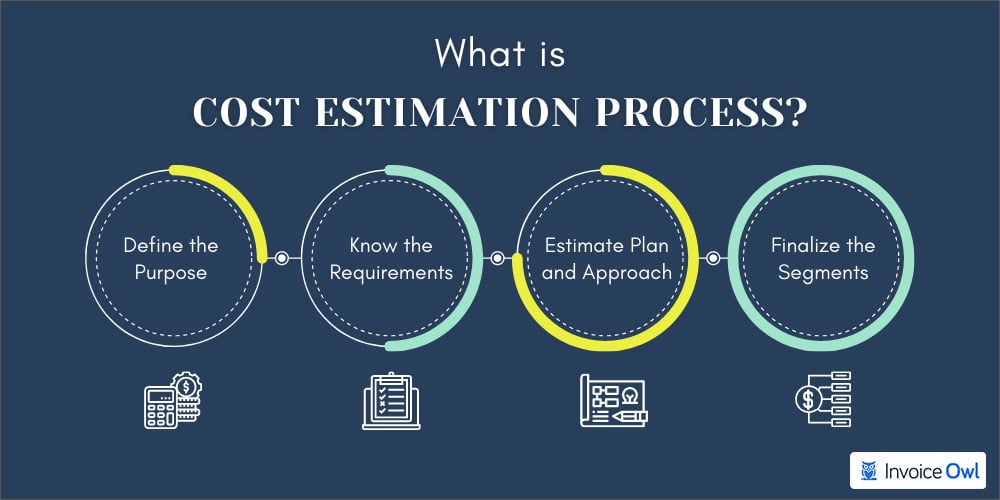
Budgeting for home improvements can feel overwhelming, especially when dealing with complex systems like electrical wiring. Are you trying to figure out where your money goes when rewiring a room or installing new outlets? Knowing the difference between labor and material costs is critical to keeping your project on track and within budget.
Understanding the breakdown between labor and material expenses in home wiring projects gives you greater control, prevents surprises, and ensures you're paying a fair price. It allows you to evaluate quotes accurately, identify potential areas for savings, and make informed decisions that align with your financial goals.
Here’s a helpful tip: before you even start getting quotes, make a detailed list of exactly what you want done. The more specific you are about your needs, the more accurate the estimates you receive will be, making it easier to compare labor and material costs across different electricians.
Labor Costs: Paying for Expertise and Time
Labor costs encompass the electrician's hourly rate, experience, and any overhead expenses associated with running their business. This is where you are paying for their knowledge, skills, and ability to safely and correctly install your home wiring. Several factors influence these costs.
Electrician's Experience Level: A master electrician with decades of experience will naturally command a higher hourly rate than a newly licensed electrician. While the experienced electrician may be more expensive upfront, their expertise can save you money in the long run by ensuring the job is done correctly the first time, minimizing the risk of future problems.
Complexity of the Project: Simple tasks, such as replacing an outlet, will have lower labor costs compared to complex projects like rewiring an entire house or installing a new electrical panel. The more intricate the work, the more time and skill required, directly impacting labor expenses.
Permits and Inspections: Obtaining necessary permits and scheduling inspections are often included in the electrician's labor costs. These steps are crucial for ensuring your wiring meets local codes and safety standards.
Geographic Location: Labor rates vary significantly depending on your location. Electricians in major metropolitan areas typically charge more than those in rural areas due to higher living costs and demand.
### People Also Ask (FAQs):How can I get an accurate estimate of labor costs?
Get multiple quotes from licensed and insured electricians. Provide them with a detailed scope of work so they can accurately assess the time and effort required. Make sure the quotes clearly outline the hourly rate and estimated number of hours.
Is it okay to hire the cheapest electrician to save on labor?
While it's tempting to go with the lowest bid, remember that quality and safety are paramount. Cheaper labor may indicate inexperience or cutting corners. Prioritize hiring a qualified electrician with good reviews and proper licensing, even if their rate is slightly higher.
What is included in the electrician’s hourly rate?
An electrician's hourly rate covers their time, expertise, insurance, and business overhead expenses. It also factors in the cost of their tools, vehicle, and continuing education.
Material Expenses: Wires, Outlets, and More
Material costs include all the physical components needed for your home wiring project, such as wires, cables, outlets, switches, circuit breakers, junction boxes, and conduit. These costs can vary significantly depending on the quality, quantity, and type of materials used.
Wire and Cable Types: Different types of wires and cables are required for different applications. For example, non-metallic (NM) cable is commonly used for interior wiring, while underground feeder (UF) cable is used for outdoor wiring. The gauge (thickness) of the wire also impacts the cost, with thicker wires being more expensive.
Outlets and Switches: The price of outlets and switches can range from basic, inexpensive models to high-end, decorative options. Consider your needs and budget when selecting these components. For example, tamper-resistant outlets are recommended for homes with young children, while smart switches offer advanced control and energy-saving features.
Circuit Breakers and Electrical Panels: The cost of circuit breakers and electrical panels depends on their size and capacity. If you're upgrading your electrical panel, be prepared for a significant material expense.
Conduit and Fittings: Conduit is used to protect wires in exposed locations or underground. The type of conduit (e.g., PVC, metal) and the number of fittings required will affect the overall material cost.
### People Also Ask (FAQs):Can I save money by providing my own materials?
While you might think you can save money by purchasing materials yourself, it's generally not recommended. Electricians often have established relationships with suppliers and can get materials at a discounted rate. Also, if you supply the wrong materials, you'll be responsible for the cost of replacing them, and the electrician may not warranty their work.
How do I know if the electrician is using quality materials?
Ask your electrician about the brands and types of materials they plan to use. Research those materials to ensure they meet industry standards and have good reviews. You can also request to see the materials before they are installed.
What are some energy-efficient wiring options that can save me money in the long run?
Consider using LED lighting throughout your home, as it consumes significantly less energy than traditional incandescent bulbs. Also, installing smart thermostats and energy-efficient appliances can help reduce your energy bills. Ensure that your wiring is properly insulated to prevent energy loss.
Strategies for Balancing Labor and Material Costs
Finding the right balance between labor and material costs is key to a successful and affordable home wiring project. Here are some strategies to help you navigate this process: Obtain Multiple Quotes:Getting quotes from at least three different electricians allows you to compare their labor rates and material costs. Don't just focus on the bottom line; carefully review the details of each quote to understand what's included.
Negotiate: Don't be afraid to negotiate with electricians. If you receive a quote that's higher than your budget, see if they're willing to adjust their labor rate or material costs. You might be able to negotiate a lower price by providing some of the materials yourself (with the electrician's approval) or by scheduling the work during their off-peak hours.
Prioritize Quality: While it's important to stay within your budget, don't compromise on quality. Using cheap materials or hiring an unqualified electrician can lead to problems down the road, costing you more money in the long run. Invest in quality materials and hire a reputable electrician who will do the job right the first time.
Phase the Project: If you have a large wiring project, consider phasing it over time. This allows you to spread out the costs and make the project more manageable. For example, you could start by upgrading your electrical panel and then tackle the wiring in different rooms over the next few months.
Consider DIY (with Caution): While some minor electrical tasks can be done DIY, it's generally not recommended for inexperienced homeowners. Working with electricity can be dangerous, and improper wiring can lead to fires or electrocution. If you're not comfortable working with electricity, it's best to leave it to the professionals.Alwaysconsult local codes before attempting any DIY wiring.
### People Also Ask (FAQs):How do I find a reputable electrician?
Ask for referrals from friends, family, or neighbors. You can also check online review sites like Yelp or Google Reviews. Make sure the electrician is licensed and insured, and verify their credentials with your local licensing board.
What questions should I ask an electrician before hiring them?
Ask about their experience, licensing, and insurance. Inquire about their hourly rate, estimated project cost, and payment schedule. Also, ask for references from previous clients.
How can I prepare my home for the electrician's arrival?
Clear the work area of any furniture or obstructions. Make sure the electrician has easy access to the electrical panel and any other areas where they'll be working. If you have pets, keep them out of the work area to prevent them from getting in the way.
Long-Term Cost Savings: Energy Efficiency
Investing in energy-efficient wiring and electrical components can lead to significant cost savings over the long term. By reducing your energy consumption, you can lower your monthly utility bills and minimize your carbon footprint.
LED Lighting: Switching to LED lighting is one of the easiest and most effective ways to save energy. LED bulbs use up to 75% less energy than incandescent bulbs and last much longer.
Smart Thermostats: Smart thermostats allow you to control your home's temperature remotely and automatically adjust it based on your schedule. This can help you save energy by only heating or cooling your home when you're actually there.
Energy-Efficient Appliances: When replacing appliances, look for models that are Energy Star certified. These appliances meet strict energy efficiency guidelines and can save you money on your utility bills.
Proper Insulation: Make sure your wiring is properly insulated to prevent energy loss. This is especially important in older homes where the insulation may be inadequate.
Understanding the dynamics of labor vs. material expenses gives you the power to approach your home wiring projects with confidence. By obtaining multiple quotes, prioritizing quality, and considering energy-efficient options, you can achieve your electrical goals safely and affordably. With careful planning and the right professional guidance, your home will be wired for safety, efficiency, and long-term savings.
Posting Komentar untuk "Estimating Labor vs Material Expenses in Home Wiring"