
Electrical Wiring Guide for Small Apartments
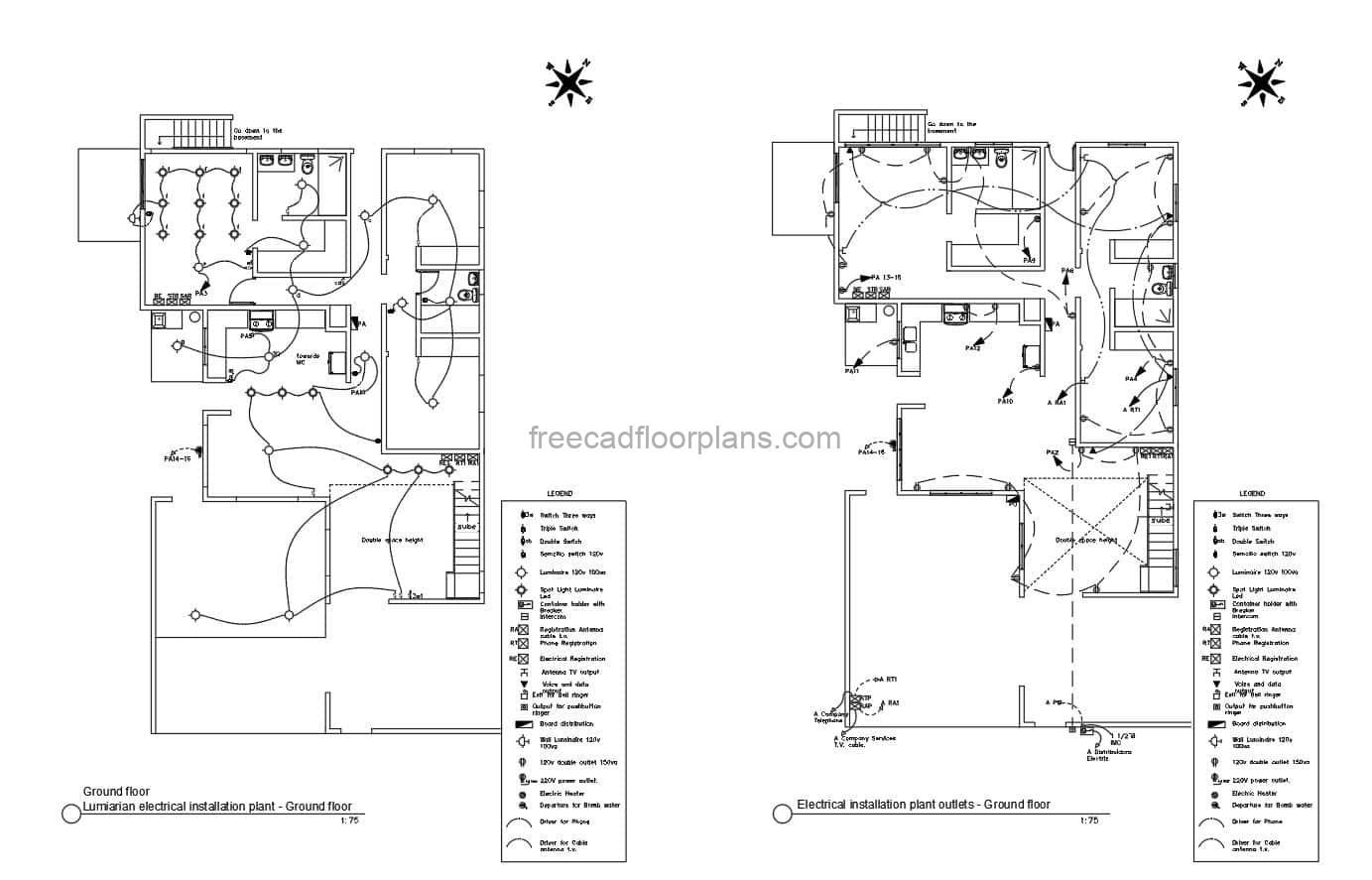
That unsettling flicker of the lights... the nagging worry about overloaded circuits. Living in a small apartment shouldn't mean living with electrical anxieties. Understanding your apartment's wiring is crucial, and it's easier than you think.
This guide breaks down everything you need to know about electrical wiring in small apartments, from understanding the basics to estimating costs and spotting potential problems. Knowing how your apartment is wired empowers you to make informed decisions about upgrades, repairs, and even just everyday energy use. Understanding the investment involved in home wiring ensures safety and prevents future headaches.
A great first step? Locate your apartment's electrical panel. Familiarize yourself with the breaker layout. This simple action will save you time and stress when you need to reset a tripped breaker, and it's a good starting point for understanding your home's electrical system.
Understanding Your Apartment's Electrical System
Most small apartments have relatively simple electrical systems, but understanding the components and how they work together is key to safety and efficiency. We'll cover the main elements you should be aware of.
The electrical panel (or breaker box) is the heart of your apartment's electrical system. It receives power from the utility company and distributes it to different circuits throughout your home. Each circuit is protected by a circuit breaker, which is designed to trip and cut off power if the circuit is overloaded or experiences a short circuit. This prevents overheating and potential fires.
Wiring runs behind your walls, connecting the electrical panel to outlets, switches, and light fixtures. In most modern apartments, you'll find non-metallic (NM) cable, often called Romex, which consists of insulated wires wrapped in a plastic sheathing. Older apartments might have different types of wiring, such as knob-and-tube, which can be less safe and may require upgrading.
Outlets and switches are the points where you access electricity to power your devices and control your lights. Outlets come in standard two-prong and grounded three-prong varieties. Grounded outlets provide an extra layer of safety by directing stray current to the ground, preventing electric shock. Switches control the flow of electricity to lights and other fixtures.
People Also Ask (FAQs): What voltage is standard in apartments?
In North America, the standard voltage for residential wiring is 120 volts for general lighting and appliance circuits and 240 volts for high-power appliances like electric stoves and dryers. Smaller apartments will likely only have a few 240-volt circuits if any. Knowing this voltage is essential for choosing the right appliances and ensuring they are compatible with your apartment's electrical system.
People Also Ask (FAQs): How do I identify overloaded circuits?
Signs of an overloaded circuit include frequently tripped breakers, flickering lights, outlets that are warm to the touch, and appliances that don't operate at full power. If you experience any of these symptoms, it's crucial to reduce the load on the circuit by unplugging some devices or moving them to a different circuit. Using a circuit tester can also help you identify which circuits are overloaded.
People Also Ask (FAQs): What's the difference between a GFCI and a standard outlet?
A Ground Fault Circuit Interrupter (GFCI) outlet is designed to protect against electric shock in areas where water is present, such as bathrooms and kitchens. GFCI outlets monitor the flow of electricity and quickly shut off the circuit if they detect a ground fault, which occurs when electricity flows along an unintended path (like through a person). Standard outlets don't offer this level of protection.
Estimating Wiring Installation Costs
Understanding the costs associated with electrical work is crucial for budgeting any home improvement project. The "labor vs materials" debate is a key consideration when tackling electrical upgrades. The cost of electrical wiring installation can vary widely depending on several factors.
The scope of the project is the biggest driver of cost. Are you simply replacing an outlet, adding a new circuit, or rewiring the entire apartment? A small repair will obviously be much less expensive than a complete overhaul. The complexity of the wiring also plays a role. Running wires through finished walls and ceilings is more labor-intensive than running them in unfinished spaces.
The type of wiring used also affects the cost. Copper wiring is the most common type, but aluminum wiring is sometimes used in older homes. Copper is generally more expensive but also more reliable and safer. The cost of materials can fluctuate, so it's always a good idea to get a quote from a supplier before starting a project.
Labor costs can also vary depending on the electrician's experience and location. Licensed electricians typically charge more than unlicensed handymen, but they also offer greater expertise and assurance of quality work. Getting multiple quotes from different electricians is always a wise move.
For a simple outlet replacement, you might expect to pay between $50 and $150, including parts and labor. Adding a new circuit can cost anywhere from $200 to $800 or more, depending on the length of the run and the complexity of the installation. Rewiring an entire small apartment can range from $1,000 to $5,000, depending on the size of the apartment and the extent of the work.
People Also Ask (FAQs): How can I save money on electrical wiring?
One way to save money is to do some of the prep work yourself, such as removing old fixtures and clearing the work area. However, it's crucial to leave the actual wiring to a qualified electrician. You can also save money by getting multiple quotes and comparing prices. Consider the electrician's experience and reputation, not just the lowest price.
People Also Ask (FAQs): What permits are required for electrical work?
Electrical work typically requires a permit from your local building department. This ensures that the work is done safely and according to code. The electrician is usually responsible for obtaining the permit, but it's a good idea to verify this before the project starts. Failure to obtain a permit can result in fines and delays.
People Also Ask (FAQs): Are there tax credits or rebates for energy-efficient wiring?
Depending on your location, there may be tax credits or rebates available for energy-efficient upgrades, such as installing new wiring that supports energy-efficient appliances and lighting. Check with your local utility company and government agencies to see what incentives are available. Investing in energy-efficient wiring can save you money on your electricity bills in the long run.
DIY Wiring Tips and Safety Precautions
While some electrical tasks are best left to professionals, there are a few simple DIY projects you can tackle safely. However, safety should always be your top priority. Before attempting any electrical work, turn off the power to the circuit at the breaker box. Use a non-contact voltage tester to ensure that the power is off before touching any wires.
Replacing an outlet or switch is a relatively straightforward DIY project. Make sure to use the correct type of outlet or switch for the application. When connecting wires, use wire connectors (wire nuts) to ensure a secure and insulated connection. Always follow the manufacturer's instructions and local electrical codes.
Installing a new light fixture can also be a DIY project, but it's essential to choose a fixture that is compatible with your apartment's wiring. Make sure the fixture is properly grounded and that the wiring connections are secure. If you're unsure about any aspect of the installation, it's always best to consult a qualified electrician.
"DIY wiring tips" must always be tempered with a strong emphasis on safety. Never work on live circuits. Always use the proper tools and materials. If you're not comfortable with any aspect of the project, don't hesitate to call a professional. Electricity is dangerous, and it's not worth risking your safety to save a few dollars.
When choosing energy-efficient wiring, consider using thicker gauge wires, which can reduce energy loss and improve the efficiency of your electrical system. Also, look for wiring that is made from recycled materials to reduce your environmental impact. Energy-efficient wiring not only saves you money on your electricity bills but also helps to conserve resources.
People Also Ask (FAQs): What tools do I need for basic electrical work?
Essential tools for basic electrical work include a non-contact voltage tester, wire strippers, wire cutters, pliers, screwdrivers (both flathead and Phillips), and a multimeter. A circuit tester can also be helpful for identifying overloaded circuits. Always use insulated tools to protect yourself from electric shock.
People Also Ask (FAQs): How do I properly ground an outlet?
Grounding an outlet is crucial for safety. The grounding wire (usually green or bare copper) should be connected to the grounding screw on the outlet and to the grounding wire in the electrical box. If the electrical box is metal, it should also be grounded. A properly grounded outlet provides a path for stray current to flow to the ground, preventing electric shock.
People Also Ask (FAQs): What should I do if I suspect a wiring problem?
If you suspect a wiring problem, such as flickering lights, frequently tripped breakers, or outlets that are warm to the touch, it's essential to have it inspected by a qualified electrician as soon as possible. Don't attempt to fix the problem yourself unless you are a licensed electrician. Ignoring wiring problems can lead to serious safety hazards, including electrical fires.
Maintaining Your Apartment's Wiring
Regular maintenance is key to keeping your apartment's electrical system in good condition and preventing problems. Periodically inspect your outlets and switches for signs of damage, such as cracks or loose connections. Replace any damaged components immediately.
Check your circuit breakers regularly to make sure they are functioning properly. If a breaker trips frequently, it could be a sign of an overloaded circuit or a wiring problem. Investigate the cause and take corrective action.
Avoid overloading circuits by plugging too many devices into a single outlet or extension cord. Use power strips with surge protection to protect your electronics from power surges. Consider using energy-efficient appliances and lighting to reduce your electricity consumption.
By taking these simple steps, you can help ensure the safety and efficiency of your apartment's electrical system. If you have any concerns about your wiring, don't hesitate to consult a qualified electrician. "Wiring cost guide" resources are available online to help you estimate the cost of repairs and upgrades.
Remember, proactively addressing potential issues and staying informed about "home wiring" best practices contribute to a safer and more comfortable living environment. By learning some "DIY wiring tips" and practicing safety, you can enhance your understanding of wiring systems without compromising well-being.
Managing electrical wiring projects in your apartment might seem daunting at first, but with the right knowledge and a commitment to safety, you can confidently address common issues and ensure your home is powered efficiently. Remember to prioritize safety above all else, and don't hesitate to seek professional help when needed. You've got this!
Posting Komentar untuk "Electrical Wiring Guide for Small Apartments"