
Common DIY Pitfalls That Increase Wiring Expenses
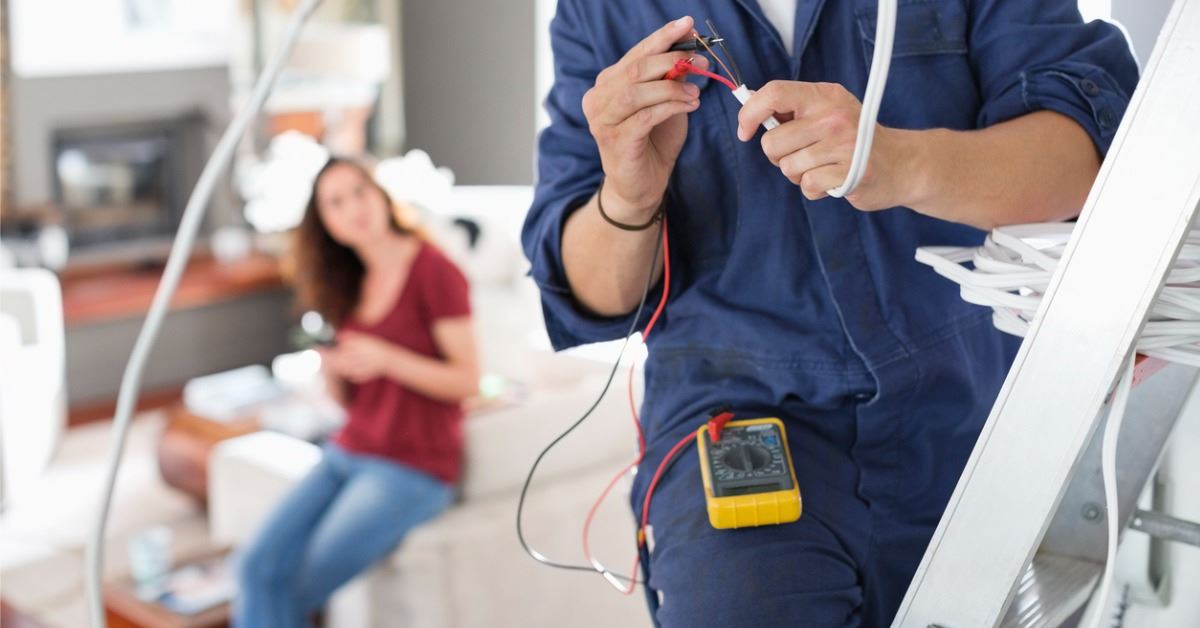
Wiring projects can be intimidating. The fear of electrical shock is real, and the thought of a costly mistake can keep homeowners awake at night. While DIY home improvement is empowering, electrical work demands respect for safety and precision.
Understanding where DIY wiring projects often go wrong is crucial for saving money and ensuring your home's electrical system is safe and reliable. Many homeowners underestimate the complexities involved, leading to increased expenses down the line due to rework, code violations, or even safety hazards. Knowing the common pitfalls can help you approach your project with the right preparation, skills, and potentially, the awareness to call in a professional when needed.
Let's explore some of the most frequent DIY mistakes that inflate wiring costs and how you can avoid them.
Misunderstanding Local Codes and Regulations
One of the biggest – and potentially most expensive – pitfalls is neglecting to research and adhere to local electrical codes. These codes aren’t arbitrary; they’re in place to ensure the safety of your home and its occupants. Ignoring them can lead to failed inspections, costly rework, and, in worst-case scenarios, fire hazards.
Why Are Electrical Codes So Important?
Electrical codes dictate everything from the type of wiring you can use in specific locations (e.g., moisture-resistant wiring in bathrooms) to the proper grounding techniques. They also specify requirements for circuit breaker amperage, outlet placement, and the use of GFCI (Ground Fault Circuit Interrupter) outlets in areas prone to moisture.
Failing to meet these requirements can result in your project being rejected during inspection. You'll then be forced to tear out the incorrect wiring and redo the work according to code, significantly increasing both labor vs materials costs. Furthermore, improperly installed wiring can create dangerous situations like overloaded circuits, which are a leading cause of house fires.
How to Avoid Code Violations
Research: Before you even think about picking up a wire stripper, contact your local building department or consult their website to obtain a copy of the current electrical code. Permits: Understand when a permit is required for your project. Many jurisdictions require permits for any electrical work beyond simple fixture replacements. Obtaining a permit ensures that your work will be inspected by a qualified professional. Ask Questions: Don't hesitate to call the building department with specific questions about your project. They are there to help you navigate the code and ensure your work is compliant. Consider Professional Guidance: If you're unsure about any aspect of the code, consult a licensed electrician. They can provide valuable guidance and ensure your project is done correctly.
Incorrect Wire Sizing and Circuit Overloading
Using the wrong wire gauge for a circuit is a common and dangerous mistake. Electrical wiring is sized according to the amount of current it's expected to carry. If the wire is too small, it can overheat, melt the insulation, and potentially cause a fire.
Understanding Amperage and Wire Gauge
Each circuit in your home is protected by a circuit breaker of a specific amperage (e.g., 15 amps, 20 amps). The wire connected to that circuit breaker must be able to safely handle that level of current. Thicker wires can handle more current than thinner wires.
14-gauge wire: Typically used for 15-amp circuits, often found in lighting circuits. 12-gauge wire: Commonly used for 20-amp circuits, such as those for outlets in general living areas. 10-gauge wire:Often used for 30-amp circuits, like those for water heaters or window air conditioners.
Overloading Circuits: A Recipe for Disaster
Circuit overloading occurs when you draw more current from a circuit than it's designed to handle. This often happens when too many devices are plugged into a single outlet or when a high-power appliance is connected to a circuit that isn't designed for it.
Signs of an overloaded circuit include:
Circuit breakers tripping frequently.
Lights dimming or flickering.
Outlets or switches that are hot to the touch.
Burning smells coming from outlets or switches.
How to Prevent Wire Sizing and Overloading Issues
Calculate the Load: Before adding any new circuits or appliances, calculate the total load that the circuit will be expected to carry. This involves adding up the wattage of all the devices that will be connected to the circuit. Consult a Wire Sizing Chart: Use a wire sizing chart to determine the appropriate wire gauge for the circuit based on its amperage and length. These charts are readily available online and in electrical code books. Upgrade Circuits: If you frequently experience overloaded circuits, consider upgrading the circuit to a higher amperage and using the appropriate wire gauge. This may involve replacing the circuit breaker and running new wiring to the outlet or appliance. Distribute the Load: Avoid plugging too many devices into a single outlet. Use power strips with built-in surge protectors to distribute the load and prevent overloading.
Improper Grounding Techniques
Grounding is a critical safety feature in your home's electrical system. It provides a path for fault current to flow back to the electrical panel, tripping the circuit breaker and preventing electrical shock. Improper grounding can render your electrical system unsafe and increase the risk of electrocution.
What is Grounding and Why is it Important?
The grounding system consists of a ground wire (usually bare copper or green insulated wire) that is connected to all metal enclosures, appliances, and outlets. This wire is ultimately connected to a grounding electrode, such as a ground rod driven into the earth or the metal water pipe entering your home.
When a fault occurs (e.g., a live wire comes into contact with a metal enclosure), the fault current flows through the grounding system back to the electrical panel. This surge of current trips the circuit breaker, cutting off the power and preventing anyone from coming into contact with the energized metal enclosure.
Common Grounding Mistakes
Omitting the Ground Wire: One of the most dangerous mistakes is failing to connect the ground wire to outlets, switches, and appliances. Improper Grounding Connections: Loose or corroded grounding connections can impede the flow of fault current and render the grounding system ineffective. Using the Neutral Wire as a Ground: This is an extremely dangerous practice that can energize metal enclosures and create a serious shock hazard. The neutral wire carries current back to the electrical panel under normal operating conditions, while the ground wire only carries current during a fault. Incorrect Grounding Electrode: Using an inadequate grounding electrode or failing to properly connect it to the grounding system can compromise the entire grounding system.
Ensuring Proper Grounding
Always Connect the Ground Wire: Ensure that all outlets, switches, and appliances are properly grounded. Use Proper Grounding Connectors: Use approved grounding connectors to make secure and reliable grounding connections. Test the Grounding System: Use a multimeter or circuit tester to verify that the grounding system is properly connected and functioning correctly. Consult a Professional: If you are unsure about any aspect of grounding, consult a licensed electrician.
People Also Ask About Grounding:
Can I ground to a metal water pipe?
While metal water pipes were traditionally used as grounding electrodes, many modern plumbing systems incorporate plastic pipes, which are non-conductive. If your plumbing system has any plastic sections, it cannot be used as a grounding electrode. A dedicated ground rod is almost always the best and safest solution. Always consult local codes for specific requirements.
What is a GFCI outlet and why is it important for grounding?
A GFCI (Ground Fault Circuit Interrupter) outlet is a special type of outlet that is designed to protect against electrical shock. It constantly monitors the current flowing in the circuit and will quickly trip if it detects any leakage to ground. GFCI outlets are typically required in areas prone to moisture, such as bathrooms, kitchens, and outdoor locations. They don't replace a proper grounding system, but they add an extra layer of protection.
What happens if I don't ground an appliance?
If an appliance isn't properly grounded, a fault could cause the metal chassis to become energized. Touching the appliance could then create a path to ground through your body, resulting in a severe or even fatal electric shock. Grounding provides a safe path for the fault current, tripping the breaker and preventing this dangerous scenario.
Cutting Corners on Materials
While it's tempting to save money by using cheaper materials, skimping on wiring, outlets, or circuit breakers can have serious consequences. Low-quality materials may not meet safety standards, may be more prone to failure, and may even create fire hazards.
The Risks of Cheap Wiring
Inferior Insulation: Cheap wiring often has thinner or lower-quality insulation, which is more susceptible to damage from heat, moisture, and physical abrasion. This can lead to short circuits and fire hazards. Improper Wire Gauge: Some manufacturers may cut corners by using a smaller wire gauge than specified, which can lead to overheating and fire. Corrosion:Low-quality wiring may be more susceptible to corrosion, especially in damp or humid environments. This can lead to poor electrical connections and potential safety hazards.
The Importance of Quality Outlets and Switches
Outlets and switches are subjected to frequent use and must be able to withstand the wear and tear of daily operation. Cheap outlets and switches may have flimsy contacts, loose connections, and plastic housings that are prone to cracking. This can lead to electrical arcing, overheating, and potential fire hazards.
Selecting the Right Circuit Breakers
Circuit breakers are designed to protect your home's electrical system from overloads and short circuits. Cheap circuit breakers may not trip reliably, or may not trip at all, leaving your wiring and appliances vulnerable to damage. They also pose a significant fire risk.
Investing in Quality Materials
Buy from Reputable Suppliers: Purchase your electrical materials from reputable suppliers who carry products that meet industry safety standards. Look for UL Listing: Ensure that all electrical materials are UL (Underwriters Laboratories) listed. This indicates that the product has been tested and certified to meet safety standards. Choose the Right Materials for the Application: Select materials that are appropriate for the specific application. For example, use moisture-resistant wiring in bathrooms and kitchens and tamper-resistant outlets in homes with young children. Don't Be Afraid to Spend a Little More: While it's important to stay within your budget, don't sacrifice quality for price when it comes to electrical materials. Investing in quality materials will pay off in the long run by ensuring the safety and reliability of your home's electrical system.
Lack of Proper Planning and Preparation
Rushing into a wiring project without proper planning and preparation is a recipe for mistakes and increased costs. Taking the time to thoroughly plan your project, gather the necessary tools and materials, and understand the steps involved will save you time, money, and frustration.
Defining the Scope of the Project
Before you start any wiring project, clearly define the scope of the work. This includes identifying the specific circuits you will be working on, the appliances or devices you will be connecting, and the location of the wiring runs.
Creating a Wiring Diagram
A wiring diagram is a visual representation of your electrical system. It shows the location of all outlets, switches, lights, and appliances, as well as the wiring connections between them. Creating a wiring diagram will help you visualize the project, identify potential problems, and ensure that all connections are made correctly.
Gathering the Necessary Tools and Materials
Make a list of all the tools and materials you will need for the project and gather them before you start working. This includes wire strippers, pliers, screwdrivers, wire connectors, electrical tape, circuit testers, and the appropriate wiring and electrical components.
Turning Off the Power
Before you start working on any electrical circuit, always turn off the power at the circuit breaker. This will prevent accidental electrical shock and ensure your safety. Use a circuit tester to verify that the power is off before you begin working.
Following a Step-by-Step Approach
Break down the project into smaller, manageable steps and follow them in a logical order. This will help you stay organized, avoid mistakes, and ensure that the project is completed correctly.
Embarking on DIY electrical work can feel daunting, but with careful planning, a commitment to safety, and a healthy respect for the complexities involved, you can confidently tackle many home wiring tasks. Remember, when in doubt, don't hesitate to consult with a qualified electrician. Your safety and the safety of your home are worth it!
Posting Komentar untuk "Common DIY Pitfalls That Increase Wiring Expenses"