
How Seasonal Changes Can Affect Wiring Installation Prices
Ever feel like your home renovation budget is a moving target? You’re not alone. Unexpected costs can pop up, especially when dealing with essential systems like your electrical wiring. Wouldn’t it be great to get ahead of the curve and understand why those prices fluctuate?
Seasonal changes can significantly impact the cost of wiring installations. Understanding these influences can help you plan your project strategically, save money, and ensure the work is done safely and efficiently. Knowing how factors like weather, demand, and material availability play a role allows you to make informed decisions and avoid budget-busting surprises when upgrading your home's electrical system.
Here’s a helpful tip: consider scheduling your wiring project during the off-season, typically late fall or early winter. You'll often find lower labor rates and potentially faster project completion times as electricians aren't as busy. Plus, you'll be preparing your home for the higher energy demands of the coming seasons.
How Weather Impacts Wiring Installation Costs
Weather is a major player when it comes to home wiring costs. Extreme conditions can make electrical work more challenging and, therefore, more expensive. This is especially true for outdoor wiring projects, like installing new service panels or running underground cables.
Rain, Snow, and Temperature Extremes
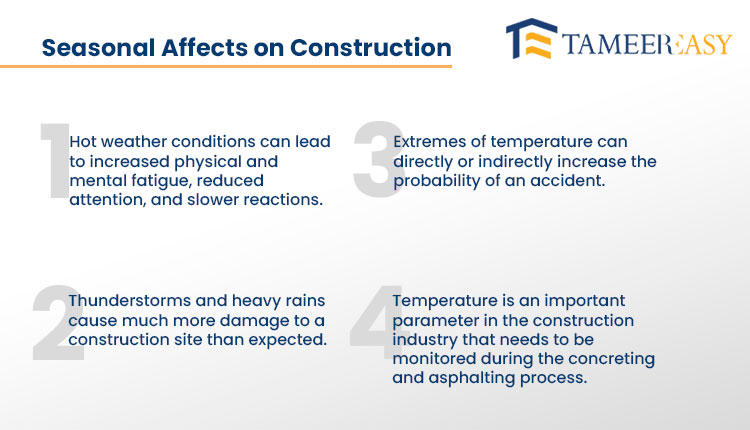
Inclement weather, such as heavy rain or snow, can delay projects, increasing labor costs. Electricians may need to take extra precautions to protect themselves and the wiring from moisture, which slows down the installation process. Extreme temperatures, both hot and cold, can also affect worker productivity and the curing times of certain materials, adding to the overall expense. Think about it: working in a sweltering attic in the summer is far less efficient (and more risky) than working in milder conditions.
Regional Variations
The specific weather patterns in your region will also influence wiring installation costs. For example, in areas prone to hurricanes or floods, wiring must be installed to meet stricter codes, requiring specialized materials and labor. Similarly, in regions with harsh winters, burying electrical cables underground might require deeper trenches to prevent freezing, adding to the project's complexity and cost. So when searching for “wiring cost guide” online, be sure to include your location for the most accurate results.
Seasonal Demand and Labor Availability
Beyond the direct impact of weather, seasonal demand for electrical services can also drive up prices. Understanding these fluctuations can help you time your project for maximum savings.
Peak Seasons vs. Off-Seasons
Spring and summer are typically peak seasons for home renovations, including electrical work. As homeowners prepare their homes for warmer weather or undertake outdoor projects, demand for electricians increases. This increased demand often leads to higher labor rates and longer wait times. Conversely, late fall and early winter tend to be slower periods for the construction industry. Electricians may be more willing to offer discounts during these off-seasons to keep their crews busy. This is a great opportunity to get competitive quotes and potentially save money on your home wiring.
The Impact of Holidays
Holidays can also affect labor availability and costs. During major holidays, many electricians take time off, reducing the supply of available workers. This can drive up prices for those who are willing to work during these periods. Planning your project around holidays can help you avoid these peak cost times.
Material Costs and Supply Chain Considerations
The cost of electrical wiring and related materials can fluctuate based on seasonal factors, supply chain issues, and global demand. Understanding these influences can help you anticipate potential price changes and make informed purchasing decisions.
Copper Prices and Market Fluctuations
Copper is a primary component of electrical wiring, and its price can significantly impact the overall cost of your project. Copper prices are influenced by a variety of factors, including global demand, mining production, and economic conditions. Keep an eye on market trends and consider purchasing materials in advance if you anticipate price increases. Many reliable “energy-efficient wiring” products are available, but consider the long-term cost of materials.
Seasonal Availability of Materials
Certain electrical materials may be more readily available during certain times of the year. For example, some manufacturers may ramp up production of specific items in anticipation of peak demand seasons. Conversely, supply chain disruptions, such as those caused by weather events or global events, can lead to shortages and price increases. Stay informed about potential supply chain issues and be prepared to adjust your project timeline if necessary.
People Also Ask (FAQs)
How can I get the best price on electrical wiring installation? Getting multiple quotes from licensed electricians is essential. Be sure to compare not only the price but also the scope of work, materials used, and warranty offered. Also, consider scheduling your project during the off-season when demand is lower.
Is it safe to DIY electrical wiring to save money? While some minor electrical repairs may be within the scope of a skilled DIYer, major wiring installations should always be left to a licensed electrician. Improper wiring can be dangerous and lead to fires or electrocution. Furthermore, DIY wiring may not meet local electrical codes, which can result in fines or insurance issues. Consider focusing on smaller DIY wiring tips for minor tasks while trusting large-scale work to the pros.
How can I reduce my energy bills through better wiring? Upgrading to energy-efficient wiring and electrical fixtures can help reduce your energy consumption and lower your bills. Consider installing LED lighting, smart thermostats, and energy-efficient appliances. A qualified electrician can assess your home's electrical system and recommend upgrades that will save you money in the long run.
Planning Your Project Strategically
To mitigate the impact of seasonal changes on wiring installation costs, it's crucial to plan your project strategically.
Get Multiple Quotes and Compare
Always get at least three quotes from different licensed electricians. This will give you a good sense of the average cost of the project and help you identify any outliers. Be sure to compare the quotes carefully, paying attention to the scope of work, materials used, and any additional fees. Don’t be afraid to ask questions and negotiate.
Schedule During the Off-Season
As mentioned earlier, scheduling your wiring project during the off-season can often save you money. Electricians may be more willing to offer discounts during these periods, and you may also benefit from faster project completion times. Aim for late fall or early winter when demand is typically lower.
Consider Future Needs
When planning your wiring project, consider your future electrical needs. Are you planning to add any new appliances or electronics in the future? Will you need additional outlets or circuits? Planning ahead can help you avoid costly upgrades down the road. Talk to your electrician about your long-term plans and ensure that your wiring system is designed to meet your future needs.
Factor in Unexpected Costs
It's always a good idea to factor in a buffer for unexpected costs when budgeting for a wiring project. Unforeseen issues, such as hidden damage or code violations, can arise during the installation process, adding to the overall expense. Having a contingency fund can help you avoid financial stress and ensure that the project is completed successfully. When thinking about “labor vs materials,” keep the unexpected costs in mind.
People Also Ask (FAQs)
What are some common hidden costs associated with wiring installations? Common hidden costs include permit fees, disposal fees for old wiring, and the cost of repairing any damage to walls or ceilings that may occur during the installation process. Be sure to ask your electrician about these potential costs upfront.
How can I ensure that my wiring installation meets local electrical codes? The best way to ensure that your wiring installation meets local electrical codes is to hire a licensed and experienced electrician. They will be familiar with the local codes and will ensure that the work is done to the required standards. You can also check with your local building department to learn more about the specific codes in your area.
What are the benefits of upgrading to a smart home wiring system? A smart home wiring system can offer a variety of benefits, including increased energy efficiency, enhanced security, and greater convenience. Smart wiring systems allow you to control your lighting, appliances, and other electrical devices remotely, saving you energy and money. They can also integrate with security systems and provide real-time monitoring of your home's electrical usage.
Understanding Permits and Inspections
Navigating the permitting and inspection process can seem daunting, but it's a crucial step in ensuring a safe and compliant wiring installation.
The Importance of Permits
Electrical permits are required for most wiring installations to ensure that the work is done to code and is safe for your home and family. Permits help protect homeowners by ensuring that all electrical work is inspected by a qualified professional. Working without a permit can result in fines, delays, and even the need to redo the work.
The Inspection Process
After the wiring installation is complete, a licensed electrical inspector will visit your home to inspect the work. The inspector will check to ensure that the wiring meets all applicable codes and is safe to use. If the inspection passes, the inspector will issue a certificate of compliance. If the inspection fails, the inspector will provide a list of corrections that need to be made.
Working with Your Electrician
Your electrician should be familiar with the permitting and inspection process in your area and can help you navigate it smoothly. They can obtain the necessary permits, schedule the inspection, and address any issues that may arise during the inspection process. Choosing an experienced and knowledgeable electrician can save you time, money, and headaches.
Wiring projects might seem complex, but with a bit of planning and the right expert help, you can manage your home's electrical system updates safely and affordably. By understanding the seasonal factors that influence wiring installation costs, you can make informed decisions and avoid unexpected expenses. Always prioritize safety, work with licensed professionals, and don't hesitate to ask questions. A well-wired home is a safe and efficient home!
Posting Komentar untuk "How Seasonal Changes Can Affect Wiring Installation Prices"